Order now and receive 20% discount! | Worldwide Shipping.
Order now for an automatic 20% discount! | Worldwide Shipping.
How port wine stains can affect teeth
Mar 12, 2025
Ecommerce
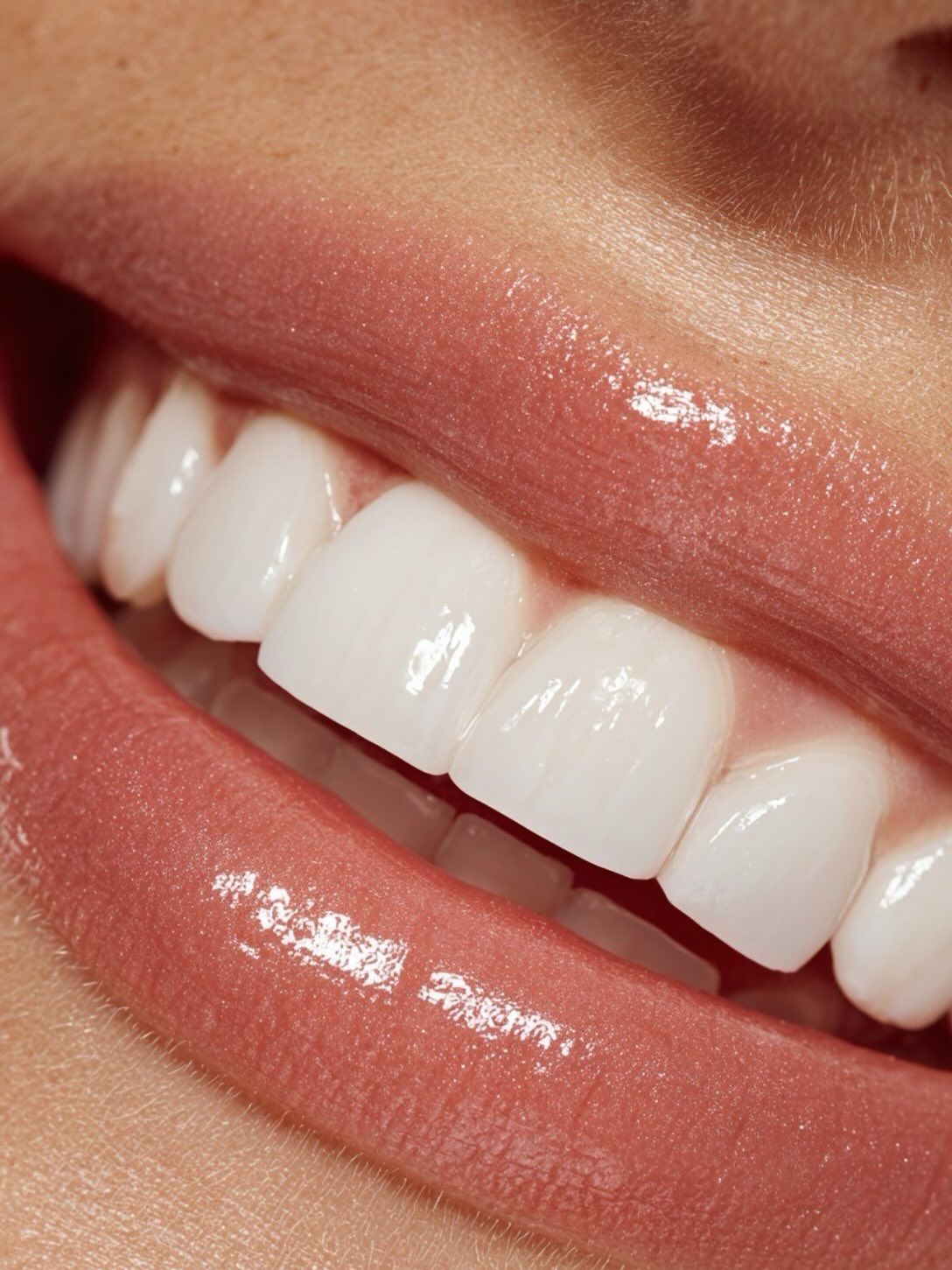
How port wine stains can affect teeth
A port wine stain is most commonly known as a visible skin condition. In some cases, especially when it appears on the face, it can also influence oral health, including the gums, teeth and molars.
This does not happen to everyone. Understanding when and how a port wine stain may affect dental health helps people seek the right care while avoiding unnecessary concern.
Why port wine stains can affect the mouth
A port wine stain is a vascular malformation, meaning it involves abnormal blood vessels. When these vascular changes extend deeper into facial tissues, particularly around the lips cheeks or jaw, they may also influence structures inside the mouth.
This can include the gums, the underlying bone and the areas surrounding the teeth and molars.
Possible effects on teeth and molars
Gum changes and sensitivity
In some individuals, increased blood flow in the affected area can lead to:
• Thicker or enlarged gum tissue
• Increased gum sensitivity
• Gums that bleed more easily during brushing or dental treatments
These changes can make oral hygiene more challenging if not properly managed, but they are usually manageable with the right care.
Changes in tooth or jaw development in rare cases
Because a port wine stain is present from birth, when it affects deeper tissues near the jaw it may in rare cases contribute to:
• Asymmetrical jaw development
• Changes in tooth positioning
• Differences in bite alignment
These effects are uncommon and are typically monitored over time by dental or medical professionals.
Increased bleeding during dental procedures
Due to the higher concentration of blood vessels in the affected area, dental procedures may:
• Bleed more than usual
• Require additional care during extractions or surgery
• Need careful planning for anesthesia or invasive treatments
This is why it is important for dentists and oral surgeons to be aware of the presence of a port wine stain.
Do port wine stains cause cavities
It is important to clarify this clearly. A port wine stain does not directly cause cavities tooth decay or weakened teeth.
Any increased dental risk is usually indirect and may be related to:
• Difficulty brushing due to gum sensitivity
• Fear of bleeding leading to gentler or less effective cleaning
• Avoidance of dental visits because of anxiety or discomfort
With proper guidance and support, these risks can be effectively managed.
The importance of dental care and communication
When a port wine stain affects the face or mouth area, the following steps can be helpful:
• Regular dental checkups
• Gentle brushing techniques using a soft toothbrush
• Open communication with dentists and dental hygienists
When dental professionals are informed, they can adapt treatments and provide reassurance where needed.
The emotional side of dental care
Beyond physical effects, there can also be an emotional impact. Some people experience:
• Anxiety during dental examinations
• Self consciousness when the mouth area is closely examined
• Hesitation to ask questions or express discomfort
Acknowledging these feelings is an important part of holistic care and long term wellbeing.
Key takeaways
• A port wine stain usually does not directly affect teeth or molars
• In some cases it may influence gums jaw development or dental procedures
• Awareness good oral hygiene and clear communication make a meaningful difference
Understanding the connection between port wine stains and oral health helps people feel informed rather than alarmed and supports better long term dental care.
How port wine stains can affect teeth
A port wine stain is most commonly known as a visible skin condition. In some cases, especially when it appears on the face, it can also influence oral health, including the gums, teeth and molars.
This does not happen to everyone. Understanding when and how a port wine stain may affect dental health helps people seek the right care while avoiding unnecessary concern.
Why port wine stains can affect the mouth
A port wine stain is a vascular malformation, meaning it involves abnormal blood vessels. When these vascular changes extend deeper into facial tissues, particularly around the lips cheeks or jaw, they may also influence structures inside the mouth.
This can include the gums, the underlying bone and the areas surrounding the teeth and molars.
Possible effects on teeth and molars
Gum changes and sensitivity
In some individuals, increased blood flow in the affected area can lead to:
• Thicker or enlarged gum tissue
• Increased gum sensitivity
• Gums that bleed more easily during brushing or dental treatments
These changes can make oral hygiene more challenging if not properly managed, but they are usually manageable with the right care.
Changes in tooth or jaw development in rare cases
Because a port wine stain is present from birth, when it affects deeper tissues near the jaw it may in rare cases contribute to:
• Asymmetrical jaw development
• Changes in tooth positioning
• Differences in bite alignment
These effects are uncommon and are typically monitored over time by dental or medical professionals.
Increased bleeding during dental procedures
Due to the higher concentration of blood vessels in the affected area, dental procedures may:
• Bleed more than usual
• Require additional care during extractions or surgery
• Need careful planning for anesthesia or invasive treatments
This is why it is important for dentists and oral surgeons to be aware of the presence of a port wine stain.
Do port wine stains cause cavities
It is important to clarify this clearly. A port wine stain does not directly cause cavities tooth decay or weakened teeth.
Any increased dental risk is usually indirect and may be related to:
• Difficulty brushing due to gum sensitivity
• Fear of bleeding leading to gentler or less effective cleaning
• Avoidance of dental visits because of anxiety or discomfort
With proper guidance and support, these risks can be effectively managed.
The importance of dental care and communication
When a port wine stain affects the face or mouth area, the following steps can be helpful:
• Regular dental checkups
• Gentle brushing techniques using a soft toothbrush
• Open communication with dentists and dental hygienists
When dental professionals are informed, they can adapt treatments and provide reassurance where needed.
The emotional side of dental care
Beyond physical effects, there can also be an emotional impact. Some people experience:
• Anxiety during dental examinations
• Self consciousness when the mouth area is closely examined
• Hesitation to ask questions or express discomfort
Acknowledging these feelings is an important part of holistic care and long term wellbeing.
Key takeaways
• A port wine stain usually does not directly affect teeth or molars
• In some cases it may influence gums jaw development or dental procedures
• Awareness good oral hygiene and clear communication make a meaningful difference
Understanding the connection between port wine stains and oral health helps people feel informed rather than alarmed and supports better long term dental care.
Our articles
About Aspilon
Aspilon is made in Belgium, developed in our own lab
Read now
About Aspilon
Aspilon is made in Belgium, developed in our own lab
Read now

Educational
Klippel-Trenaunay Syndrome (KTS) and Port-Wine Stains | Aspilon
Read now
Educational
Klippel-Trenaunay Syndrome (KTS) and Port-Wine Stains | Aspilon
Read now
Educational
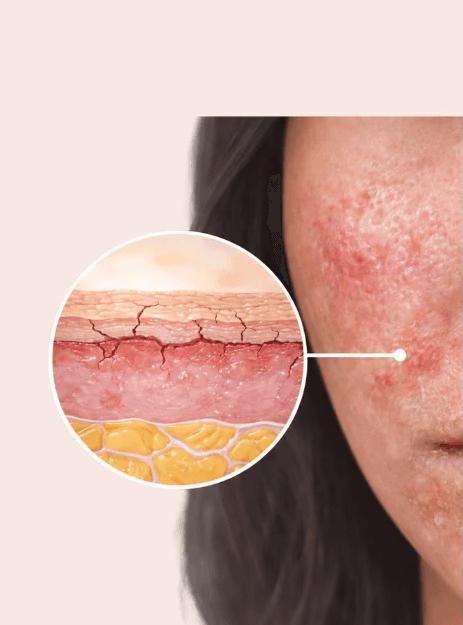
Port-Wine Stain Facial Changes: Skin, Tissue & Dental Complications | Aspilon
Read now
Educational
Port-Wine Stain Facial Changes: Skin, Tissue & Dental Complications | Aspilon
Read now
Educational
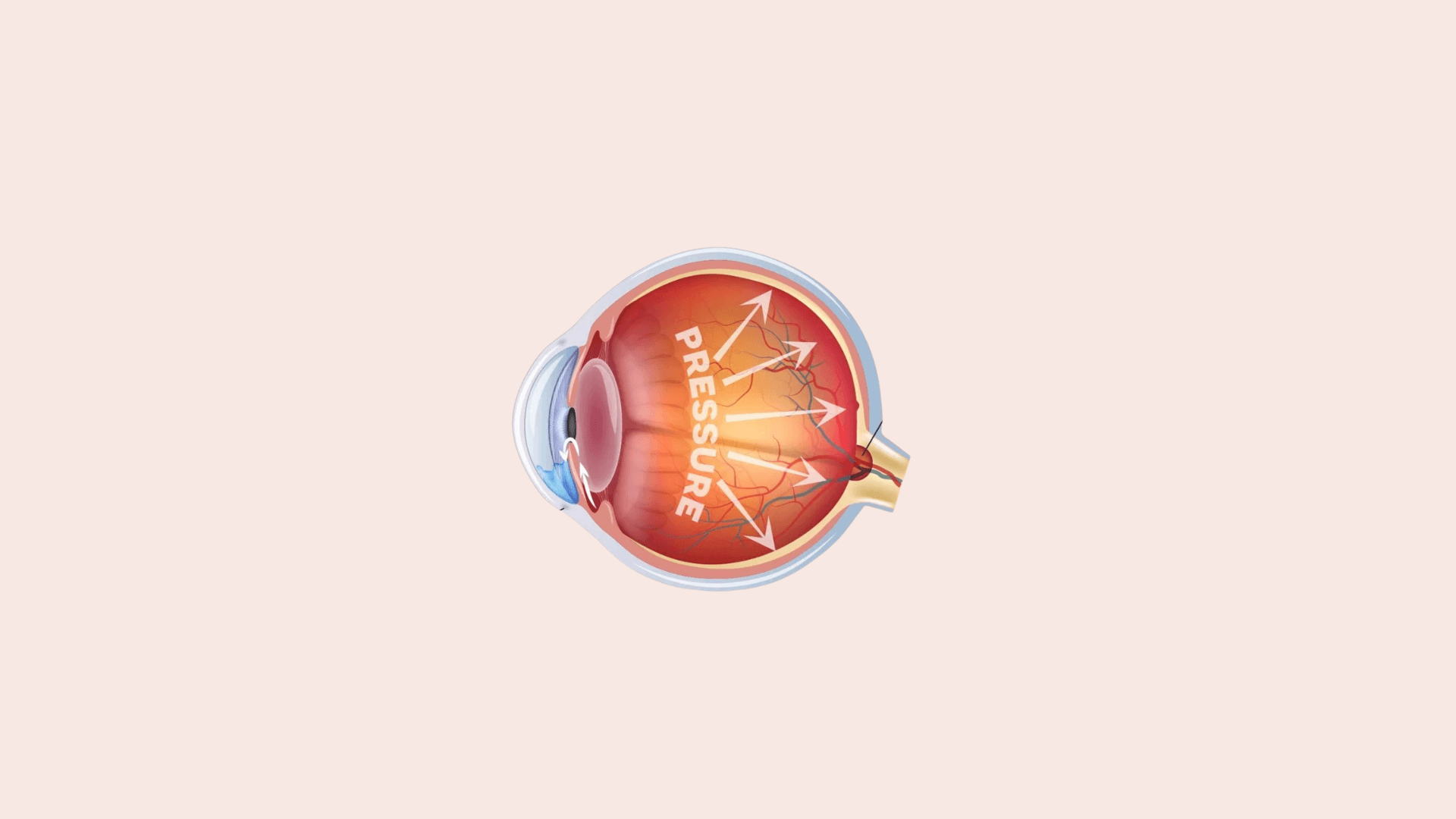
Port-Wine Stain and Glaucoma: Eye Pressure, Risk & Screening | Aspilon
Read now
Educational
Port-Wine Stain and Glaucoma: Eye Pressure, Risk & Screening | Aspilon
Read now
Our articles
About Aspilon
Aspilon is made in Belgium, developed in our own lab
Read now
Educational
Klippel-Trenaunay Syndrome (KTS) and Port-Wine Stains | Aspilon
Read now
Educational
Port-Wine Stain Facial Changes: Skin, Tissue & Dental Complications | Aspilon
Read now
Educational
Port-Wine Stain and Glaucoma: Eye Pressure, Risk & Screening | Aspilon
Read now
Let's stay in touch!
Let's stay in touch!
Sign up to our mailing list and get a 20% discount!
Sign up and get a 20% discount!