Order now and receive 20% discount! | Worldwide Shipping.
Order now for an automatic 20% discount! | Worldwide Shipping.
How skin conditions change with the seasons
Mar 12, 2025
Ecommerce
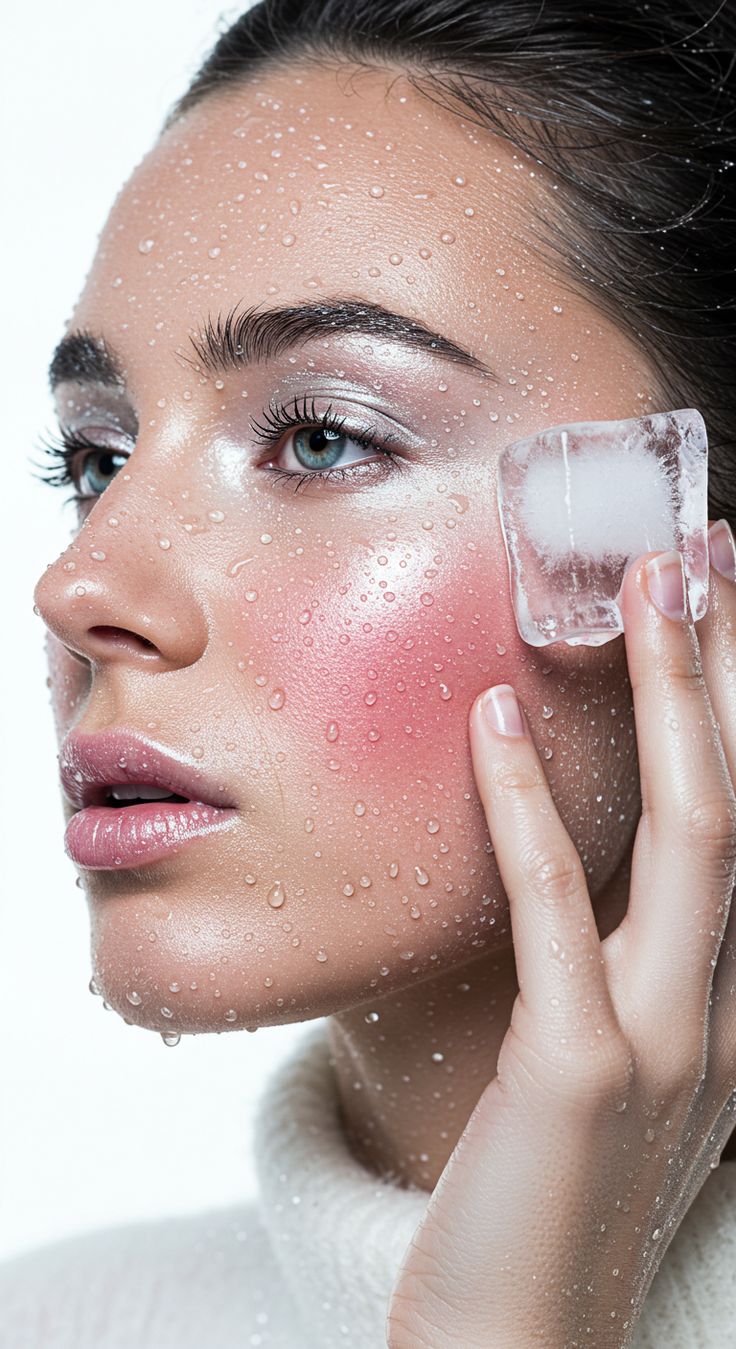
How skin conditions change with the seasons
Skin conditions do not stay the same throughout the year. Redness rosacea couperose acne scars pigmentation burn wounds and port wine stains naturally shift with the seasons. These changes affect color undertone intensity and visibility.
Understanding seasonal changes helps you adapt your routine instead of feeling like your skin is unpredictable. This approach is central to how Aspilon supports real skin differences.
Why skin conditions change during the year
Your skin constantly responds to environmental factors such as:
• Temperature shifts
• Humidity levels
• Sun exposure
• Wind cold air and indoor heating
When the skin barrier is compromised or a vascular or inflammatory condition is present these changes are felt more intensely and often appear as visible color changes.
Spring and summer flushing warmth and reactivity
During spring and summer increased sun exposure higher temperatures and environmental triggers like pollen affect how skin conditions behave.
Many people notice:
• Brighter pink or red tones
• Increased flushing
• Warmer undertones
• Darkening of pigmentation scars or port wine stains
Higher blood flow and uv exposure cause color changes even when skin is well protected.
How to adapt in spring and summer
• Always begin with sun protection
• Use lightweight breathable formulas
• Avoid heavy or occlusive makeup
• Apply the Aspilon cc cream evenly to the entire face to unify tone
• Build the Aspilon full coverage foundation only where extra coverage is needed
Because undertones shift in warmer months your usual shade may no longer be the best match. Taking the Aspilon shade matching quiz at the start of spring and again in summer helps determine your optimal shade based on current skin tone and undertone.
If your shade is not your perfect match Aspilon offers hassle free returns, so you can adjust confidently without stress.
Autumn and winter redness dryness and deeper tones
Colder seasons bring wind lower humidity and indoor heating which weaken the skin barrier and increase sensitivity.
During autumn and winter many people experience:
• Deeper red purple or bluish tones
• Increased redness or flushing
• Dryness tightness or discomfort
• More visible texture
Blood vessels react more intensely to cold which can make redness appear stronger and less even.
How to adapt in autumn and winter
• Focus on hydration and barrier support
• Avoid drying powders and heavy mattifying products
• Apply the Aspilon cc cream to calm the skin and soften redness
• Use the Aspilon full coverage foundation selectively where needed
As skin tone often deepens or dulls in colder months undertones can shift again. Taking the Aspilon shade matching quiz each season ensures your foundation shade continues to match your skin accurately.
And if the shade does not feel right Aspilon hassle free returns allow you to exchange without pressure.
Why seasonal shade changes are completely normal
Color changes do not mean your skin is getting worse. They are natural responses to circulation barrier health and environment.
Redness may appear:
• Brighter and warmer in spring and summer
• Deeper or cooler in autumn and winter
Understanding this helps reduce frustration and allows you to work with your skin instead of against it.
Skin changes your choice stays the same
Skin conditions evolve with the seasons. Your routine and your shade should evolve too.
That is why checking in with your skin regularly and retaking the Aspilon shade matching quiz empowers you to choose what works now not what worked months ago.
Because real skin is not static
And confidence does not come from consistency
It comes from choice
How skin conditions change with the seasons
Skin conditions do not stay the same throughout the year. Redness rosacea couperose acne scars pigmentation burn wounds and port wine stains naturally shift with the seasons. These changes affect color undertone intensity and visibility.
Understanding seasonal changes helps you adapt your routine instead of feeling like your skin is unpredictable. This approach is central to how Aspilon supports real skin differences.
Why skin conditions change during the year
Your skin constantly responds to environmental factors such as:
• Temperature shifts
• Humidity levels
• Sun exposure
• Wind cold air and indoor heating
When the skin barrier is compromised or a vascular or inflammatory condition is present these changes are felt more intensely and often appear as visible color changes.
Spring and summer flushing warmth and reactivity
During spring and summer increased sun exposure higher temperatures and environmental triggers like pollen affect how skin conditions behave.
Many people notice:
• Brighter pink or red tones
• Increased flushing
• Warmer undertones
• Darkening of pigmentation scars or port wine stains
Higher blood flow and uv exposure cause color changes even when skin is well protected.
How to adapt in spring and summer
• Always begin with sun protection
• Use lightweight breathable formulas
• Avoid heavy or occlusive makeup
• Apply the Aspilon cc cream evenly to the entire face to unify tone
• Build the Aspilon full coverage foundation only where extra coverage is needed
Because undertones shift in warmer months your usual shade may no longer be the best match. Taking the Aspilon shade matching quiz at the start of spring and again in summer helps determine your optimal shade based on current skin tone and undertone.
If your shade is not your perfect match Aspilon offers hassle free returns, so you can adjust confidently without stress.
Autumn and winter redness dryness and deeper tones
Colder seasons bring wind lower humidity and indoor heating which weaken the skin barrier and increase sensitivity.
During autumn and winter many people experience:
• Deeper red purple or bluish tones
• Increased redness or flushing
• Dryness tightness or discomfort
• More visible texture
Blood vessels react more intensely to cold which can make redness appear stronger and less even.
How to adapt in autumn and winter
• Focus on hydration and barrier support
• Avoid drying powders and heavy mattifying products
• Apply the Aspilon cc cream to calm the skin and soften redness
• Use the Aspilon full coverage foundation selectively where needed
As skin tone often deepens or dulls in colder months undertones can shift again. Taking the Aspilon shade matching quiz each season ensures your foundation shade continues to match your skin accurately.
And if the shade does not feel right Aspilon hassle free returns allow you to exchange without pressure.
Why seasonal shade changes are completely normal
Color changes do not mean your skin is getting worse. They are natural responses to circulation barrier health and environment.
Redness may appear:
• Brighter and warmer in spring and summer
• Deeper or cooler in autumn and winter
Understanding this helps reduce frustration and allows you to work with your skin instead of against it.
Skin changes your choice stays the same
Skin conditions evolve with the seasons. Your routine and your shade should evolve too.
That is why checking in with your skin regularly and retaking the Aspilon shade matching quiz empowers you to choose what works now not what worked months ago.
Because real skin is not static
And confidence does not come from consistency
It comes from choice
Our articles
About Aspilon
Aspilon is made in Belgium, developed in our own lab
Read now
About Aspilon
Aspilon is made in Belgium, developed in our own lab
Read now
Educational
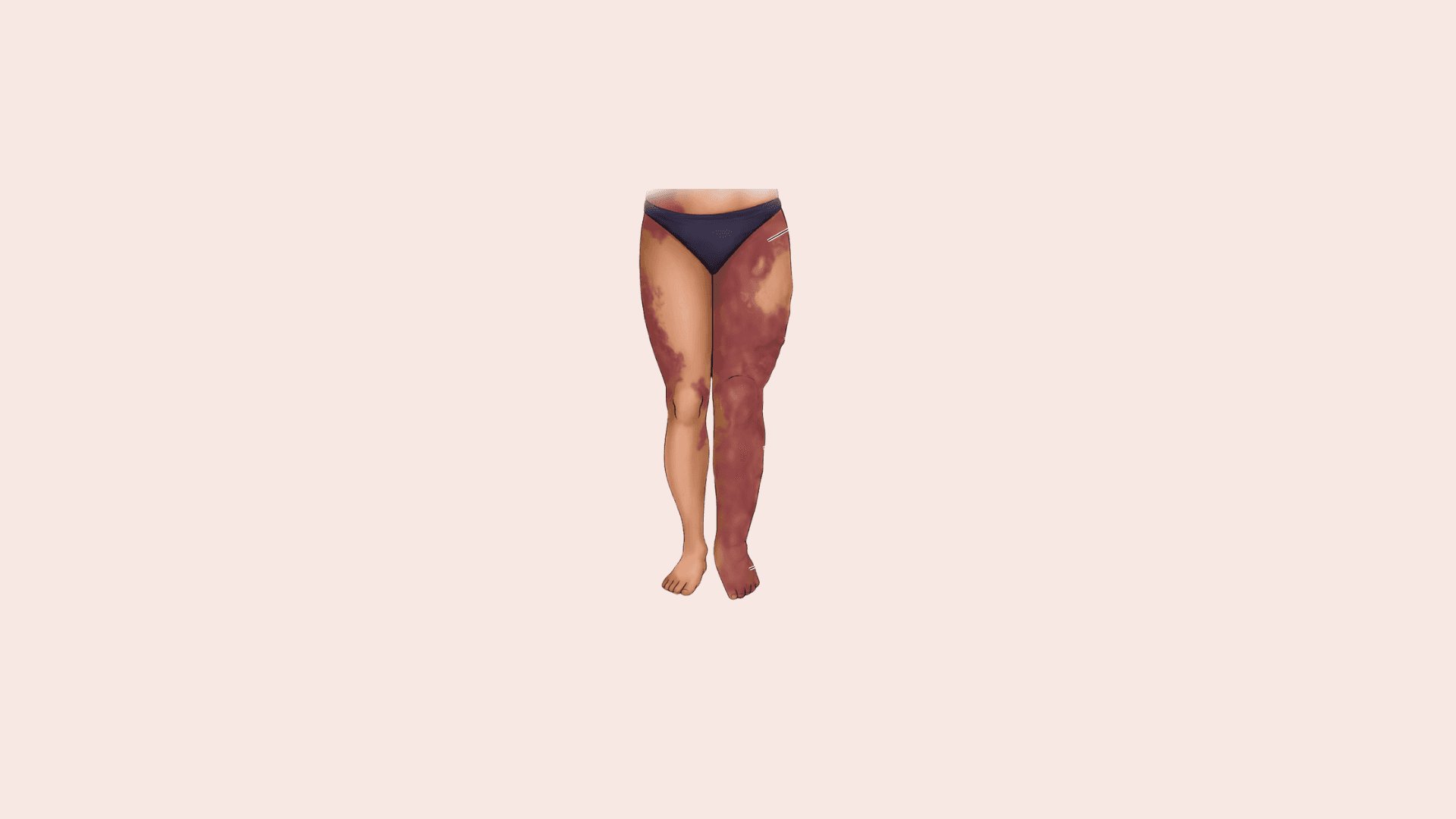
Klippel-Trenaunay Syndrome (KTS) and Port-Wine Stains | Aspilon
Read now
Educational
Klippel-Trenaunay Syndrome (KTS) and Port-Wine Stains | Aspilon
Read now
Educational
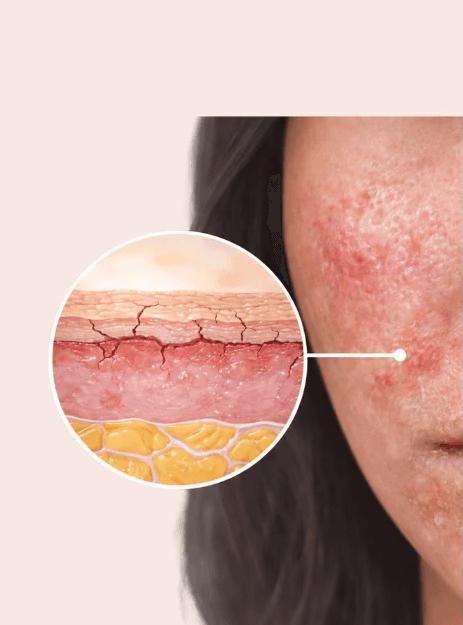
Port-Wine Stain Facial Changes: Skin, Tissue & Dental Complications | Aspilon
Read now
Educational
Port-Wine Stain Facial Changes: Skin, Tissue & Dental Complications | Aspilon
Read now
Educational
Port-Wine Stain and Glaucoma: Eye Pressure, Risk & Screening | Aspilon
Read now
Educational
Port-Wine Stain and Glaucoma: Eye Pressure, Risk & Screening | Aspilon
Read now
Our articles
About Aspilon
Aspilon is made in Belgium, developed in our own lab
Read now
Educational
Klippel-Trenaunay Syndrome (KTS) and Port-Wine Stains | Aspilon
Read now
Educational
Port-Wine Stain Facial Changes: Skin, Tissue & Dental Complications | Aspilon
Read now
Educational
Port-Wine Stain and Glaucoma: Eye Pressure, Risk & Screening | Aspilon
Read now
Let's stay in touch!
Let's stay in touch!
Sign up to our mailing list and get a 20% discount!
Sign up and get a 20% discount!