Order now for an automatic 20% discount! | Worldwide Shipping.
Order now for an automatic 20% discount! | Worldwide Shipping.
Port-Wine Stain and Glaucoma: Eye Pressure, Risk & Screening | Aspilon
Mar 12, 2025
Ecommerce
Port-Wine Stain and Glaucoma: what you need to know
If you have a port-wine stain (PWS) near your eye — particularly on the upper eyelid or in the periorbital area — glaucoma is one of the most important medical risks to understand and monitor. It is the most common eye complication associated with facial PWS, and the most dangerous one, because it causes no symptoms until significant and irreversible damage has already occurred.
This article explains what glaucoma is, why port-wine stains increase the risk, what screening involves, and why it matters at every age.
What is Glaucoma?
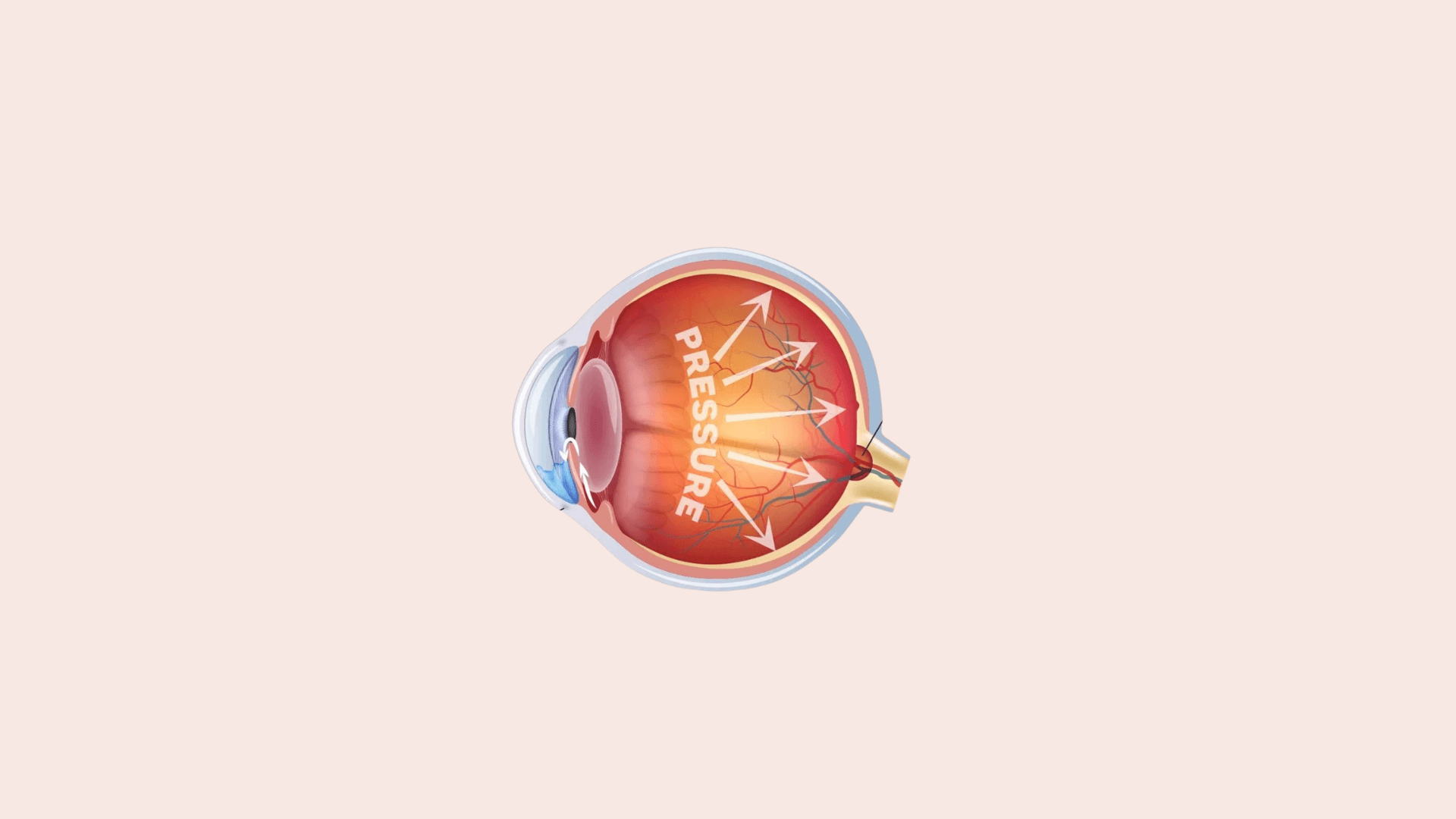
Glaucoma is a condition in which the pressure inside the eye — called intraocular pressure (IOP) — becomes elevated above the normal range. The eye constantly produces a clear fluid called aqueous humor, which flows through the eye and drains through a drainage angle. When this drainage is obstructed or insufficient, fluid accumulates, pressure builds, and the optic nerve — the cable connecting the eye to the brain — is compressed and progressively damaged.
Normal intraocular pressure is between 10 and 21 mmHg. Sustained pressure above this range begins to damage the optic nerve. Because the optic nerve does not regenerate, the vision loss caused by glaucoma is permanent. This is why early detection is critical.
The most important clinical feature of glaucoma is that it is silent. There is no pain. There are no early visual symptoms. Peripheral vision is the first to go, and this loss happens so gradually that most people do not notice it until significant damage has already occurred.
Why does a Port-Wine Stain increase Glaucoma risk?
The same GNAQ gene mutation that causes the skin port-wine stain can also affect the development of blood vessels in and around the eye. Abnormal blood vessels can develop in the episclera (the tissue overlying the white of the eye) and can increase baseline venous pressure in the eye's drainage system, making it harder for aqueous fluid to drain normally.
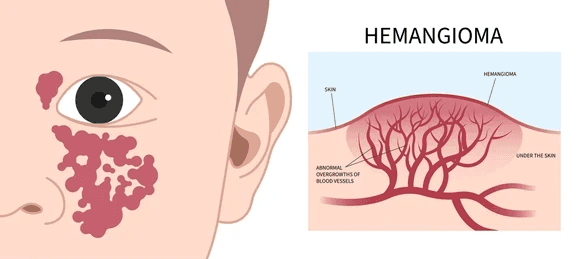
Additionally, in Sturge-Weber syndrome, abnormal blood vessels called choroidal hemangiomas can develop in the choroid — the vascular layer behind the retina — which further disrupts the eye's pressure regulation.
The result is elevated intraocular pressure that, if untreated, leads to progressive optic nerve damage and vision loss.
How common is it?
Among individuals with a port-wine stain in the V1 (ophthalmic) distribution of the trigeminal nerve — covering the forehead and upper eyelid — the risk of developing glaucoma is significant. In Sturge-Weber syndrome, approximately 60 percent of glaucoma cases present at birth or in early infancy. Another 30 percent develop during childhood. The remaining cases can develop at any point in adulthood.
This means glaucoma risk does not diminish with age — it persists throughout life and requires ongoing monitoring.
What are the signs in infants?
In infants, very high intraocular pressure can cause the eyeball to enlarge visibly because the infant eye is more elastic than the adult eye. This enlargement is called buphthalmos, from the Greek for 'ox eye.' The cornea may also appear cloudy or enlarged. These are visible signs that warrant immediate ophthalmological evaluation.
In older children and adults, there are typically no visible signs — which is precisely why scheduled screening is necessary rather than waiting for symptoms to develop.
What Does Glaucoma Screening Involve?
Glaucoma screening for individuals with a port-wine stain involves a comprehensive ophthalmological examination, not simply a standard vision test. The key components are:
a) Intraocular pressure measurement (tonometry)
The most direct test. The ophthalmologist measures the pressure inside the eye. The two most common methods are non-contact tonometry (a brief puff of air directed at the eye) and contact tonometry (a small probe touches the numbed eye surface for a fraction of a second). Normal range is 10 to 21 mmHg.
b) Optic nerve examination
The ophthalmologist dilates the pupils with eye drops and examines the optic nerve directly using a slit lamp and ophthalmoscope. A healthy optic nerve has a specific appearance; glaucoma causes characteristic changes to the nerve head called cupping.
c) Visual field testing
A computerized test that maps peripheral vision. Glaucoma causes characteristic patterns of peripheral vision loss before central vision is affected.
d) Gonioscopy
A specialized examination of the drainage angle of the eye to assess whether the drainage structures are anatomically normal.
In young children, a full examination under general anesthesia or deep sedation may be required to obtain reliable measurements.
How is Glaucoma treated in PWS patients?
Treatment depends on the severity and age of onset. The goal is to lower intraocular pressure to a level that stops further optic nerve damage.
• Medicated eye drops — prostaglandin analogues such as latanoprost (Xalatan) are commonly used and can significantly reduce IOP
• Laser treatment — to improve drainage through the eye's drainage angle
• Surgical intervention — trabeculotomy or trabeculectomy to create or improve drainage channels
Glaucoma associated with port-wine stains can be more difficult to manage than standard glaucoma because the underlying vascular abnormality is ongoing. Regular monitoring and treatment adjustments throughout life are typically necessary.
Who should be screened, and how often?
Any individual with a port-wine stain involving the upper eyelid, lower eyelid, or periorbital area should receive ophthalmological evaluation specifically focused on glaucoma. For infants with periorbital PWS, this evaluation should occur within the first weeks of life.
In the absence of elevated IOP findings, annual examinations are typically recommended. If elevated pressure is found or there is a history of glaucoma, more frequent monitoring is required. There is no age at which monitoring can safely stop.
Port-Wine Stain and Glaucoma: what you need to know
If you have a port-wine stain (PWS) near your eye — particularly on the upper eyelid or in the periorbital area — glaucoma is one of the most important medical risks to understand and monitor. It is the most common eye complication associated with facial PWS, and the most dangerous one, because it causes no symptoms until significant and irreversible damage has already occurred.
This article explains what glaucoma is, why port-wine stains increase the risk, what screening involves, and why it matters at every age.
What is Glaucoma?
Glaucoma is a condition in which the pressure inside the eye — called intraocular pressure (IOP) — becomes elevated above the normal range. The eye constantly produces a clear fluid called aqueous humor, which flows through the eye and drains through a drainage angle. When this drainage is obstructed or insufficient, fluid accumulates, pressure builds, and the optic nerve — the cable connecting the eye to the brain — is compressed and progressively damaged.
Normal intraocular pressure is between 10 and 21 mmHg. Sustained pressure above this range begins to damage the optic nerve. Because the optic nerve does not regenerate, the vision loss caused by glaucoma is permanent. This is why early detection is critical.
The most important clinical feature of glaucoma is that it is silent. There is no pain. There are no early visual symptoms. Peripheral vision is the first to go, and this loss happens so gradually that most people do not notice it until significant damage has already occurred.
Why does a Port-Wine Stain increase Glaucoma risk?
The same GNAQ gene mutation that causes the skin port-wine stain can also affect the development of blood vessels in and around the eye. Abnormal blood vessels can develop in the episclera (the tissue overlying the white of the eye) and can increase baseline venous pressure in the eye's drainage system, making it harder for aqueous fluid to drain normally.
Additionally, in Sturge-Weber syndrome, abnormal blood vessels called choroidal hemangiomas can develop in the choroid — the vascular layer behind the retina — which further disrupts the eye's pressure regulation.
The result is elevated intraocular pressure that, if untreated, leads to progressive optic nerve damage and vision loss.
How common is it?
Among individuals with a port-wine stain in the V1 (ophthalmic) distribution of the trigeminal nerve — covering the forehead and upper eyelid — the risk of developing glaucoma is significant. In Sturge-Weber syndrome, approximately 60 percent of glaucoma cases present at birth or in early infancy. Another 30 percent develop during childhood. The remaining cases can develop at any point in adulthood.
This means glaucoma risk does not diminish with age — it persists throughout life and requires ongoing monitoring.
What are the signs in infants?
In infants, very high intraocular pressure can cause the eyeball to enlarge visibly because the infant eye is more elastic than the adult eye. This enlargement is called buphthalmos, from the Greek for 'ox eye.' The cornea may also appear cloudy or enlarged. These are visible signs that warrant immediate ophthalmological evaluation.
In older children and adults, there are typically no visible signs — which is precisely why scheduled screening is necessary rather than waiting for symptoms to develop.
What Does Glaucoma Screening Involve?
Glaucoma screening for individuals with a port-wine stain involves a comprehensive ophthalmological examination, not simply a standard vision test. The key components are:
a) Intraocular pressure measurement (tonometry)
The most direct test. The ophthalmologist measures the pressure inside the eye. The two most common methods are non-contact tonometry (a brief puff of air directed at the eye) and contact tonometry (a small probe touches the numbed eye surface for a fraction of a second). Normal range is 10 to 21 mmHg.
b) Optic nerve examination
The ophthalmologist dilates the pupils with eye drops and examines the optic nerve directly using a slit lamp and ophthalmoscope. A healthy optic nerve has a specific appearance; glaucoma causes characteristic changes to the nerve head called cupping.
c) Visual field testing
A computerized test that maps peripheral vision. Glaucoma causes characteristic patterns of peripheral vision loss before central vision is affected.
d) Gonioscopy
A specialized examination of the drainage angle of the eye to assess whether the drainage structures are anatomically normal.
In young children, a full examination under general anesthesia or deep sedation may be required to obtain reliable measurements.
How is Glaucoma treated in PWS patients?
Treatment depends on the severity and age of onset. The goal is to lower intraocular pressure to a level that stops further optic nerve damage.
• Medicated eye drops — prostaglandin analogues such as latanoprost (Xalatan) are commonly used and can significantly reduce IOP
• Laser treatment — to improve drainage through the eye's drainage angle
• Surgical intervention — trabeculotomy or trabeculectomy to create or improve drainage channels
Glaucoma associated with port-wine stains can be more difficult to manage than standard glaucoma because the underlying vascular abnormality is ongoing. Regular monitoring and treatment adjustments throughout life are typically necessary.
Who should be screened, and how often?
Any individual with a port-wine stain involving the upper eyelid, lower eyelid, or periorbital area should receive ophthalmological evaluation specifically focused on glaucoma. For infants with periorbital PWS, this evaluation should occur within the first weeks of life.
In the absence of elevated IOP findings, annual examinations are typically recommended. If elevated pressure is found or there is a history of glaucoma, more frequent monitoring is required. There is no age at which monitoring can safely stop.
Our articles
About Aspilon
Aspilon is made in Belgium, developed in our own lab
Read now
About Aspilon
Aspilon is made in Belgium, developed in our own lab
Read now
Educational
Klippel-Trenaunay Syndrome (KTS) and Port-Wine Stains | Aspilon
Read now
Educational
Klippel-Trenaunay Syndrome (KTS) and Port-Wine Stains | Aspilon
Read now
Educational
Port-Wine Stain Facial Changes: Skin, Tissue & Dental Complications | Aspilon
Read now
Educational
Port-Wine Stain Facial Changes: Skin, Tissue & Dental Complications | Aspilon
Read now
Educational
Port-Wine Stain: All Medical Conditions, Symptoms & Complications | Aspilon
Read now
Educational
Port-Wine Stain: All Medical Conditions, Symptoms & Complications | Aspilon
Read now
Our articles
About Aspilon
Aspilon is made in Belgium, developed in our own lab
Read now
Educational
Klippel-Trenaunay Syndrome (KTS) and Port-Wine Stains | Aspilon
Read now
Educational
Port-Wine Stain Facial Changes: Skin, Tissue & Dental Complications | Aspilon
Read now
Educational
Port-Wine Stain: All Medical Conditions, Symptoms & Complications | Aspilon
Read now
Let's stay in touch!
Let's stay in touch!
Sign up to our mailing list and get a 20% discount!
Sign up and get a 20% discount!