Order now for an automatic 20% discount! | Worldwide Shipping.
Order now for an automatic 20% discount! | Worldwide Shipping.
Port-Wine Stain: All Medical Conditions, Symptoms & Complications | Aspilon
Mar 12, 2025
Ecommerce
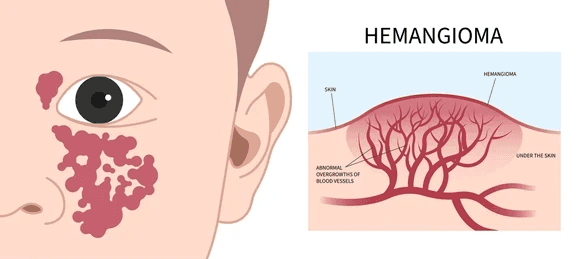
Port-Wine Stain: all medical conditions, symptoms & complications explained
A port-wine stain (PWS) — medically known as nevus flammeus — is a congenital capillary vascular malformation. For most people, it is a permanent birthmark. For a significant subset, it is also a medical condition with far-reaching implications that extend well beyond the skin.
This article provides a complete clinical overview of every medical condition, symptom, and complication that can be linked to a facial port-wine stain. It is written for individuals living with a PWS, their families, and healthcare professionals seeking a structured reference.
What Is a Port-Wine Stain?
A port-wine stain is caused by a somatic mosaic mutation in the GNAQ gene, which occurs early in pregnancy and disrupts the normal development of capillary blood vessels beneath the skin. The result is a permanent area of abnormally dilated capillaries that produce the characteristic red to purple discoloration.
PWS affects approximately 0.3 to 0.5 percent of all newborns — roughly 3 in every 1,000 births. It is present at birth, does not resolve on its own, and tends to darken and thicken progressively over a lifetime without treatment. Approximately 65 percent of port-wine stains are located on the head and neck.
The condition is not inherited. It occurs as a random event during fetal development and cannot be prevented.
1. Direct Skin Complications
Even without associated syndromes, a facial port-wine stain undergoes physical changes over time that can become medically and functionally significant.
Darkening and thickening
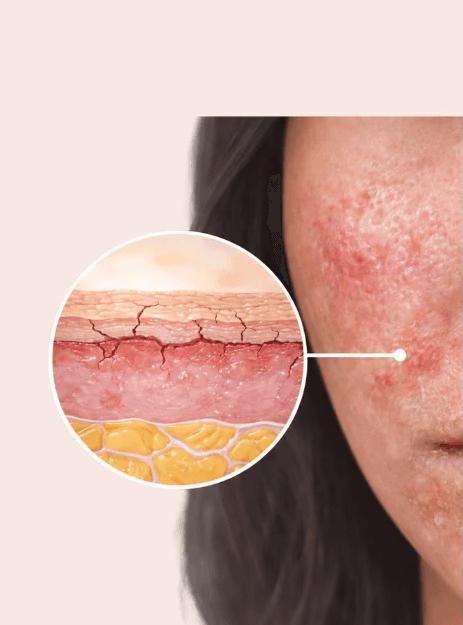
Initially flat and pink or red at birth, a port-wine stain typically deepens to a dark red or purple color through childhood and adolescence. In adulthood, the skin can thicken significantly, developing a raised, nodular, or cobblestone-like texture. This is caused by progressive dilation of the dermal vessels.
Soft tissue and bone overgrowth
Facial PWS can cause the underlying fat, muscle, and bone to grow excessively over time. This leads to visible facial asymmetry and can involve the lips, cheeks, nose, and jaw. Bony overgrowth of the maxilla and zygoma is documented and can cause malocclusion (abnormal bite) and a deviated nose.
Pyogenic granulomas and bleeding
Long-standing port-wine stains can develop small blood vessel blisters called pyogenic granulomas, which bleed easily with minimal trauma. The fragile dilated capillaries within the stain also make the area more prone to bleeding from injury.
Eczema
Eczema can develop over a port-wine stain, causing the affected area to become itchy or sore. This is a direct local complication unrelated to systemic involvement.
2. Oral and Dental Complications
Facial port-wine stains frequently affect the oral cavity and dental structures, particularly when the stain is darker, thicker, or involves the V2 (maxillary) trigeminal distribution. These complications are underrecognized in dental settings.
• Gingival hyperplasia — overgrowth of gum tissue, present in a significant proportion of facial PWS patients
• Gingival staining and spontaneous gingival bleeding
• Maxillary overgrowth with widened interdental spaces
• Lip hypertrophy — enlargement of one or both lips, reported in approximately 50 percent of facial PWS patients
• Malocclusion — abnormal bite caused by asymmetric jaw growth
• Disrupted dental eruption sequence
• Mucosal staining of the buccal mucosa, palate, and floor of mouth
• Speech and mastication difficulties when lips or jaw are significantly involved
Clinical note Gingival staining is an early predictor of future complications including gingival hyperplasia and maxillary overgrowth. Patients with facial PWS should receive regular dental and periodontal monitoring regardless of current symptoms. |
3. Eye (Ocular) Complications
Eye complications are among the most clinically significant non-neurological consequences of a facial port-wine stain, particularly when the birthmark involves the upper eyelid or periorbital area — the V1 (ophthalmic) distribution of the trigeminal nerve.
Glaucoma
Glaucoma — elevated pressure inside the eye — is the most common eye complication associated with facial PWS. It results from abnormal blood vessels interfering with the eye's natural fluid drainage system. If untreated, the increased pressure damages the optic nerve, causing irreversible vision loss. Critically, early-stage glaucoma has no symptoms — it progresses silently.
In infants, the pressure can become so severe that the eyeballs appear enlarged and bulging, a condition called buphthalmos. Approximately 60 percent of glaucoma cases in Sturge-Weber syndrome present at birth or in early infancy.
Additional ocular complications
• Choroidal hemangioma — abnormal blood vessel growth behind the retina, occurring in approximately one-third of individuals with Sturge-Weber syndrome
• Retinal detachment
• Optic nerve damage and optic atrophy
• Strabismus (misaligned eyes), amblyopia (lazy eye), and myopia
• Visual field defects
• Conjunctival angiomas
Screening recommendation Any individual with a port-wine stain involving the upper eyelid or periorbital area should receive ophthalmological evaluation — including intraocular pressure measurement — from early life, and continue regular eye examinations throughout adulthood. Glaucoma can develop at any age. |
4. Neurological Complications
Neurological complications arise when the same genetic mutation that caused the skin PWS also affected the development of blood vessels on the surface of the brain — a condition called leptomeningeal angioma. This occurs in Sturge-Weber syndrome and causes reduced blood flow and oxygen delivery to the underlying brain tissue.
Seizures and epilepsy
Seizures are the most common neurological manifestation. Approximately 75 percent of individuals with Sturge-Weber syndrome experience seizures, with 75 percent of those appearing within the first year of life. Seizure types include focal seizures, tonic, atonic, and myoclonic seizures. Seizures typically affect the side of the body opposite to the brain lesion. In severe cases, seizures are drug-resistant and may require surgical intervention including hemispherectomy.
Stroke-like episodes and hemiparesis
Reduced cerebral blood flow can cause stroke-like episodes, typically beginning before age 2. These involve temporary muscle weakness on one side of the body, vision changes, and migraine-like headaches. Progressive weakness on one side of the body (hemiparesis) can develop and worsen over time as brain tissue is lost.
Brain calcifications and atrophy
Chronic oxygen deprivation in the brain tissue underlying the angioma causes calcium deposits (calcifications) and tissue loss (atrophy). These are visible on CT and MRI scans and are a hallmark finding in Sturge-Weber syndrome.
Cognitive and developmental complications
• Intellectual disability ranging from mild learning difficulties to severe cognitive impairment
• Developmental delays
• Attention deficit / hyperactivity disorder (ADHD)
• Behavioral problems and mood disorders
• Learning disabilities
Migraine headaches
Recurrent migraine headaches are a recognized neurological feature, particularly in Sturge-Weber syndrome Type 2, and can begin in childhood or adolescence.
5. Sturge-Weber Syndrome
Sturge-Weber syndrome (SWS) is the primary syndrome associated with facial port-wine stain. It is a neurocutaneous disorder caused by the same somatic GNAQ mutation responsible for the PWS. The estimated incidence is 1 in 20,000 to 50,000 live births.
SWS is classified into three types. Type 1 — the most common — involves the facial PWS, leptomeningeal brain angioma, and possible glaucoma. Type 2 involves the PWS and possible glaucoma without brain involvement. Type 3 involves only brain angioma without facial PWS. The risk of neurological or ocular complications in a patient with full V1 distribution PWS is approximately 26 percent, rising to 78 percent when the entire V1 territory is affected.
For a complete explanation of Sturge-Weber syndrome, see our dedicated article: Sturge-Weber Syndrome: Symptoms, Diagnosis & What to Expect.
6. Klippel-Trenaunay Syndrome
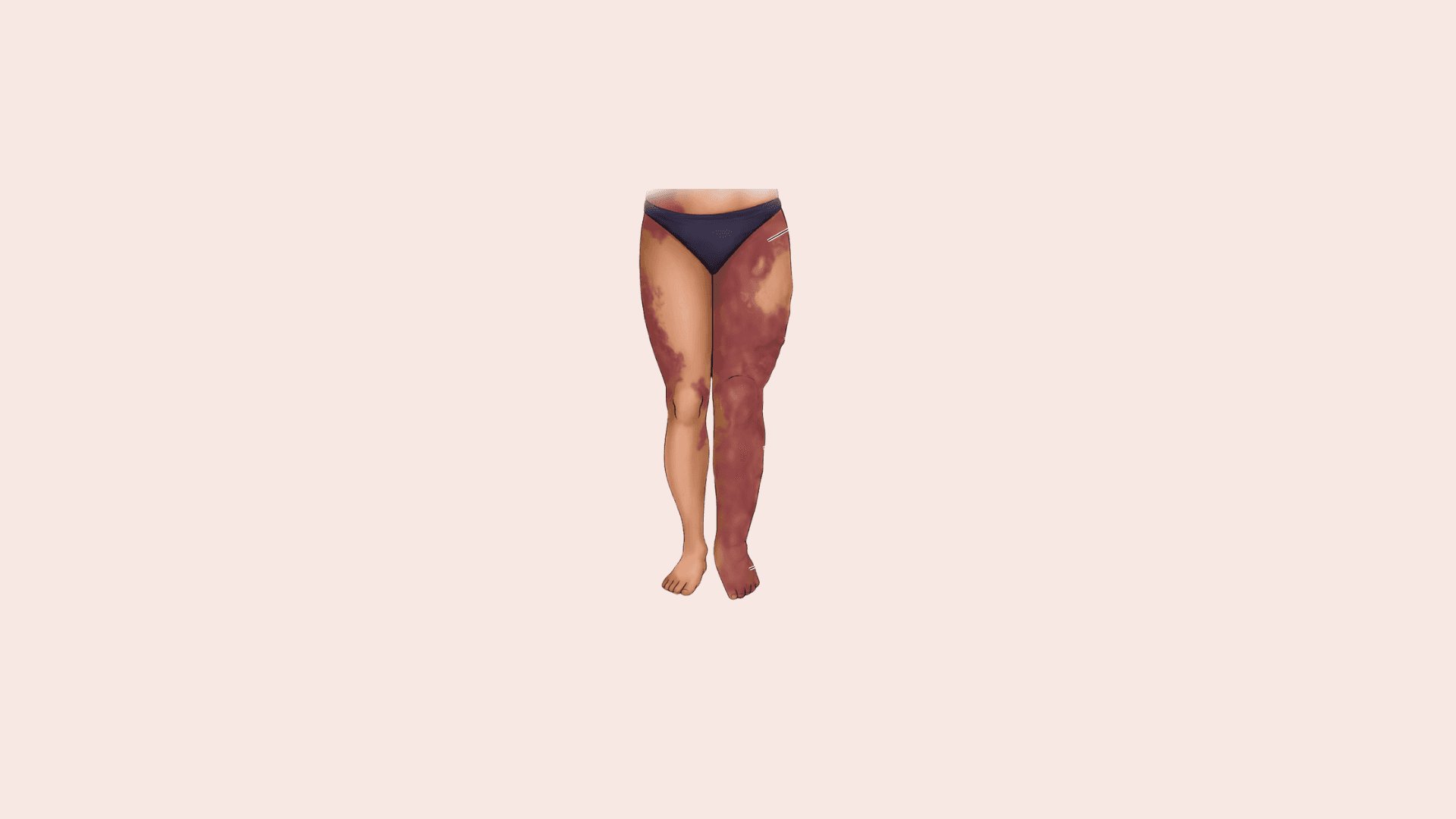
Klippel-Trenaunay syndrome (KTS) is a distinct condition caused by a mutation in the PIK3CA gene — different from the GNAQ mutation of SWS. It is primarily a limb condition characterized by a port-wine stain, venous and lymphatic malformations, and overgrowth of one limb. KTS is not typically associated with facial PWS alone.
Complications include deep vein thrombosis, pulmonary embolism, lymphedema, gastrointestinal bleeding, and coagulation disorders. For a full overview, see our article: Klippel-Trenaunay Syndrome and Port-Wine Stains.
7. Psychosocial and Mental Health Impact
The psychological burden of a facial port-wine stain is clinically documented and substantial. Research using validated instruments found that quality of life impairment in adults with facial PWS is comparable in severity to conditions including cutaneous T-cell lymphoma, rosacea, alopecia, and vitiligo.
• Clinically significant anxiety is reported in approximately 33.6 percent of adults with facial PWS
• Clinically significant depression is reported in approximately 26.2 percent
• High levels of perceived stigma and low self-esteem are consistently documented
• Children with facial PWS experience significantly higher rates of bullying, teasing, and social isolation
• Psychological morbidity is frequently suppressed — patients often present as coping well while carrying a significant internal burden
Important finding Research shows that untreated hypertrophic facial PWS is perceived by society as comparably burdensome to monocular blindness. This underscores the importance of both medical treatment and psychological support for individuals living with a visible port-wine stain. |
Risk by Location: The Trigeminal Distribution
The location of a port-wine stain on the face is the single most important predictor of associated systemic complications. The face is mapped to three branches of the trigeminal nerve: V1 (ophthalmic — forehead and upper eyelid), V2 (maxillary — mid-face and upper lip), and V3 (mandibular — lower jaw). PWS in the V1 distribution carries the highest risk for Sturge-Weber syndrome, glaucoma, and leptomeningeal angioma. PWS in the V2 distribution is most associated with oral and dental complications.
When to Seek Specialist Evaluation
Any individual with a facial port-wine stain should be evaluated by the following specialists, depending on the location and extent of their birthmark:
• Ophthalmologist — for intraocular pressure measurement and glaucoma screening, starting from early life for periorbital involvement
• Neurologist — for EEG and MRI evaluation if seizures, stroke-like episodes, or significant headaches are present
• Dermatologist — for laser treatment planning and monitoring of progressive skin changes
• Dentist and periodontist — for gingival and dental monitoring
• Psychologist — for mental health screening and support
Port-Wine Stain: all medical conditions, symptoms & complications explained
A port-wine stain (PWS) — medically known as nevus flammeus — is a congenital capillary vascular malformation. For most people, it is a permanent birthmark. For a significant subset, it is also a medical condition with far-reaching implications that extend well beyond the skin.
This article provides a complete clinical overview of every medical condition, symptom, and complication that can be linked to a facial port-wine stain. It is written for individuals living with a PWS, their families, and healthcare professionals seeking a structured reference.
What Is a Port-Wine Stain?
A port-wine stain is caused by a somatic mosaic mutation in the GNAQ gene, which occurs early in pregnancy and disrupts the normal development of capillary blood vessels beneath the skin. The result is a permanent area of abnormally dilated capillaries that produce the characteristic red to purple discoloration.
PWS affects approximately 0.3 to 0.5 percent of all newborns — roughly 3 in every 1,000 births. It is present at birth, does not resolve on its own, and tends to darken and thicken progressively over a lifetime without treatment. Approximately 65 percent of port-wine stains are located on the head and neck.
The condition is not inherited. It occurs as a random event during fetal development and cannot be prevented.
1. Direct Skin Complications
Even without associated syndromes, a facial port-wine stain undergoes physical changes over time that can become medically and functionally significant.
Darkening and thickening
Initially flat and pink or red at birth, a port-wine stain typically deepens to a dark red or purple color through childhood and adolescence. In adulthood, the skin can thicken significantly, developing a raised, nodular, or cobblestone-like texture. This is caused by progressive dilation of the dermal vessels.
Soft tissue and bone overgrowth
Facial PWS can cause the underlying fat, muscle, and bone to grow excessively over time. This leads to visible facial asymmetry and can involve the lips, cheeks, nose, and jaw. Bony overgrowth of the maxilla and zygoma is documented and can cause malocclusion (abnormal bite) and a deviated nose.
Pyogenic granulomas and bleeding
Long-standing port-wine stains can develop small blood vessel blisters called pyogenic granulomas, which bleed easily with minimal trauma. The fragile dilated capillaries within the stain also make the area more prone to bleeding from injury.
Eczema
Eczema can develop over a port-wine stain, causing the affected area to become itchy or sore. This is a direct local complication unrelated to systemic involvement.
2. Oral and Dental Complications
Facial port-wine stains frequently affect the oral cavity and dental structures, particularly when the stain is darker, thicker, or involves the V2 (maxillary) trigeminal distribution. These complications are underrecognized in dental settings.
• Gingival hyperplasia — overgrowth of gum tissue, present in a significant proportion of facial PWS patients
• Gingival staining and spontaneous gingival bleeding
• Maxillary overgrowth with widened interdental spaces
• Lip hypertrophy — enlargement of one or both lips, reported in approximately 50 percent of facial PWS patients
• Malocclusion — abnormal bite caused by asymmetric jaw growth
• Disrupted dental eruption sequence
• Mucosal staining of the buccal mucosa, palate, and floor of mouth
• Speech and mastication difficulties when lips or jaw are significantly involved
Clinical note Gingival staining is an early predictor of future complications including gingival hyperplasia and maxillary overgrowth. Patients with facial PWS should receive regular dental and periodontal monitoring regardless of current symptoms. |
3. Eye (Ocular) Complications
Eye complications are among the most clinically significant non-neurological consequences of a facial port-wine stain, particularly when the birthmark involves the upper eyelid or periorbital area — the V1 (ophthalmic) distribution of the trigeminal nerve.
Glaucoma
Glaucoma — elevated pressure inside the eye — is the most common eye complication associated with facial PWS. It results from abnormal blood vessels interfering with the eye's natural fluid drainage system. If untreated, the increased pressure damages the optic nerve, causing irreversible vision loss. Critically, early-stage glaucoma has no symptoms — it progresses silently.
In infants, the pressure can become so severe that the eyeballs appear enlarged and bulging, a condition called buphthalmos. Approximately 60 percent of glaucoma cases in Sturge-Weber syndrome present at birth or in early infancy.
Additional ocular complications
• Choroidal hemangioma — abnormal blood vessel growth behind the retina, occurring in approximately one-third of individuals with Sturge-Weber syndrome
• Retinal detachment
• Optic nerve damage and optic atrophy
• Strabismus (misaligned eyes), amblyopia (lazy eye), and myopia
• Visual field defects
• Conjunctival angiomas
Screening recommendation Any individual with a port-wine stain involving the upper eyelid or periorbital area should receive ophthalmological evaluation — including intraocular pressure measurement — from early life, and continue regular eye examinations throughout adulthood. Glaucoma can develop at any age. |
4. Neurological Complications
Neurological complications arise when the same genetic mutation that caused the skin PWS also affected the development of blood vessels on the surface of the brain — a condition called leptomeningeal angioma. This occurs in Sturge-Weber syndrome and causes reduced blood flow and oxygen delivery to the underlying brain tissue.
Seizures and epilepsy
Seizures are the most common neurological manifestation. Approximately 75 percent of individuals with Sturge-Weber syndrome experience seizures, with 75 percent of those appearing within the first year of life. Seizure types include focal seizures, tonic, atonic, and myoclonic seizures. Seizures typically affect the side of the body opposite to the brain lesion. In severe cases, seizures are drug-resistant and may require surgical intervention including hemispherectomy.
Stroke-like episodes and hemiparesis
Reduced cerebral blood flow can cause stroke-like episodes, typically beginning before age 2. These involve temporary muscle weakness on one side of the body, vision changes, and migraine-like headaches. Progressive weakness on one side of the body (hemiparesis) can develop and worsen over time as brain tissue is lost.
Brain calcifications and atrophy
Chronic oxygen deprivation in the brain tissue underlying the angioma causes calcium deposits (calcifications) and tissue loss (atrophy). These are visible on CT and MRI scans and are a hallmark finding in Sturge-Weber syndrome.
Cognitive and developmental complications
• Intellectual disability ranging from mild learning difficulties to severe cognitive impairment
• Developmental delays
• Attention deficit / hyperactivity disorder (ADHD)
• Behavioral problems and mood disorders
• Learning disabilities
Migraine headaches
Recurrent migraine headaches are a recognized neurological feature, particularly in Sturge-Weber syndrome Type 2, and can begin in childhood or adolescence.
5. Sturge-Weber Syndrome
Sturge-Weber syndrome (SWS) is the primary syndrome associated with facial port-wine stain. It is a neurocutaneous disorder caused by the same somatic GNAQ mutation responsible for the PWS. The estimated incidence is 1 in 20,000 to 50,000 live births.
SWS is classified into three types. Type 1 — the most common — involves the facial PWS, leptomeningeal brain angioma, and possible glaucoma. Type 2 involves the PWS and possible glaucoma without brain involvement. Type 3 involves only brain angioma without facial PWS. The risk of neurological or ocular complications in a patient with full V1 distribution PWS is approximately 26 percent, rising to 78 percent when the entire V1 territory is affected.
For a complete explanation of Sturge-Weber syndrome, see our dedicated article: Sturge-Weber Syndrome: Symptoms, Diagnosis & What to Expect.
6. Klippel-Trenaunay Syndrome
Klippel-Trenaunay syndrome (KTS) is a distinct condition caused by a mutation in the PIK3CA gene — different from the GNAQ mutation of SWS. It is primarily a limb condition characterized by a port-wine stain, venous and lymphatic malformations, and overgrowth of one limb. KTS is not typically associated with facial PWS alone.
Complications include deep vein thrombosis, pulmonary embolism, lymphedema, gastrointestinal bleeding, and coagulation disorders. For a full overview, see our article: Klippel-Trenaunay Syndrome and Port-Wine Stains.
7. Psychosocial and Mental Health Impact
The psychological burden of a facial port-wine stain is clinically documented and substantial. Research using validated instruments found that quality of life impairment in adults with facial PWS is comparable in severity to conditions including cutaneous T-cell lymphoma, rosacea, alopecia, and vitiligo.
• Clinically significant anxiety is reported in approximately 33.6 percent of adults with facial PWS
• Clinically significant depression is reported in approximately 26.2 percent
• High levels of perceived stigma and low self-esteem are consistently documented
• Children with facial PWS experience significantly higher rates of bullying, teasing, and social isolation
• Psychological morbidity is frequently suppressed — patients often present as coping well while carrying a significant internal burden
Important finding Research shows that untreated hypertrophic facial PWS is perceived by society as comparably burdensome to monocular blindness. This underscores the importance of both medical treatment and psychological support for individuals living with a visible port-wine stain. |
Risk by Location: The Trigeminal Distribution
The location of a port-wine stain on the face is the single most important predictor of associated systemic complications. The face is mapped to three branches of the trigeminal nerve: V1 (ophthalmic — forehead and upper eyelid), V2 (maxillary — mid-face and upper lip), and V3 (mandibular — lower jaw). PWS in the V1 distribution carries the highest risk for Sturge-Weber syndrome, glaucoma, and leptomeningeal angioma. PWS in the V2 distribution is most associated with oral and dental complications.
When to Seek Specialist Evaluation
Any individual with a facial port-wine stain should be evaluated by the following specialists, depending on the location and extent of their birthmark:
• Ophthalmologist — for intraocular pressure measurement and glaucoma screening, starting from early life for periorbital involvement
• Neurologist — for EEG and MRI evaluation if seizures, stroke-like episodes, or significant headaches are present
• Dermatologist — for laser treatment planning and monitoring of progressive skin changes
• Dentist and periodontist — for gingival and dental monitoring
• Psychologist — for mental health screening and support
Our articles
About Aspilon
Aspilon is made in Belgium, developed in our own lab
Read now
About Aspilon
Aspilon is made in Belgium, developed in our own lab
Read now
Educational
Klippel-Trenaunay Syndrome (KTS) and Port-Wine Stains | Aspilon
Read now
Educational
Klippel-Trenaunay Syndrome (KTS) and Port-Wine Stains | Aspilon
Read now
Educational
Port-Wine Stain Facial Changes: Skin, Tissue & Dental Complications | Aspilon
Read now
Educational
Port-Wine Stain Facial Changes: Skin, Tissue & Dental Complications | Aspilon
Read now
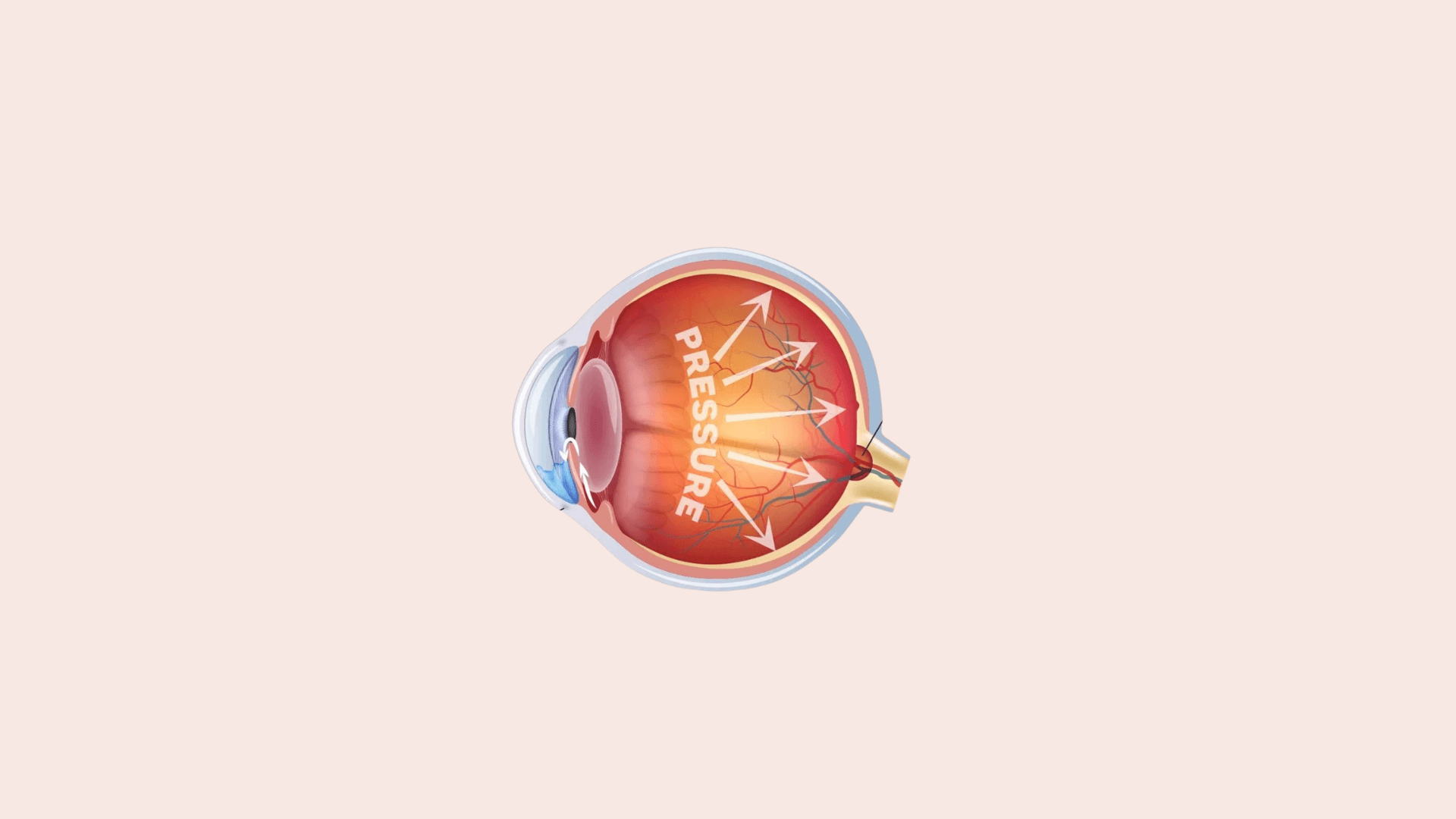
Educational
Port-Wine Stain and Glaucoma: Eye Pressure, Risk & Screening | Aspilon
Read now
Educational
Port-Wine Stain and Glaucoma: Eye Pressure, Risk & Screening | Aspilon
Read now
Our articles
About Aspilon
Aspilon is made in Belgium, developed in our own lab
Read now
Educational
Klippel-Trenaunay Syndrome (KTS) and Port-Wine Stains | Aspilon
Read now
Educational
Port-Wine Stain Facial Changes: Skin, Tissue & Dental Complications | Aspilon
Read now
Educational
Port-Wine Stain and Glaucoma: Eye Pressure, Risk & Screening | Aspilon
Read now
Let's stay in touch!
Let's stay in touch!
Sign up to our mailing list and get a 20% discount!
Sign up and get a 20% discount!