Order now for an automatic 20% discount! | Worldwide Shipping.
Order now for an automatic 20% discount! | Worldwide Shipping.
Port-Wine Stain and Seizures: The Neurological Link Explained | Aspilon
Mar 12, 2025
Ecommerce
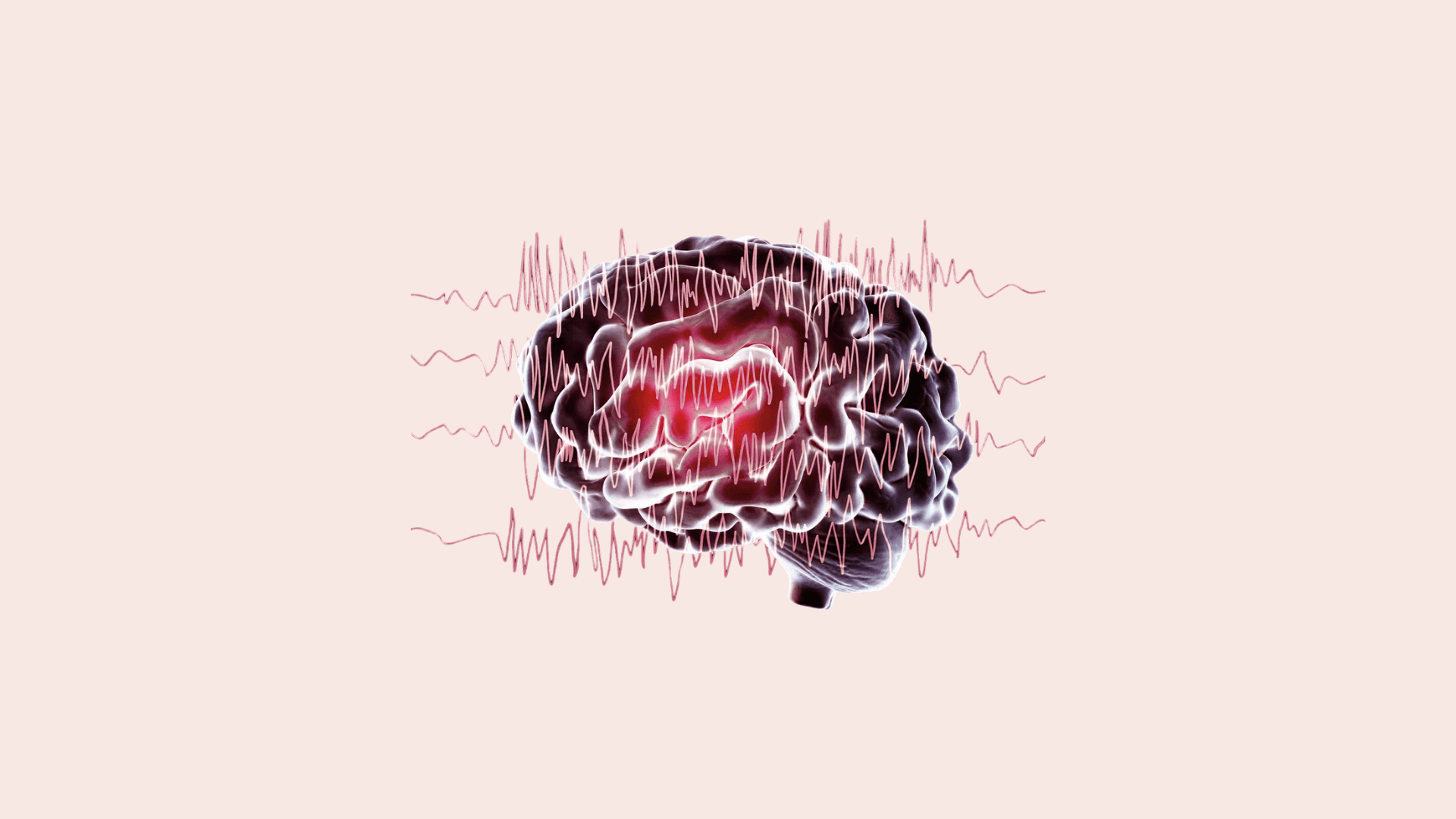
Port-Wine Stain and Seizures: understanding the neurological link
Seizures are the most common neurological complication associated with a facial port-wine stain. They occur when the same genetic mutation that caused the birthmark also affects the development of blood vessels on the brain surface — a condition called Sturge-Weber syndrome. Understanding why they happen, what they look like, and what can be done about them is essential for individuals with PWS and the people who care for them.
Why Does a Port-Wine Stain Cause Seizures?
The GNAQ gene mutation responsible for a port-wine stain occurs very early in fetal development — a single cell mutation that then multiplies as the embryo grows. If that original mutant cell was a precursor to both facial skin blood vessels and brain surface blood vessels, both areas develop abnormally.
On the brain surface, this results in a leptomeningeal angioma — an abnormal tangle of blood vessels on the brain's outer membranes. These vessels are inefficient and do not drain blood properly. The brain tissue directly underneath them receives less oxygen than it needs. Chronically oxygen-deprived brain tissue becomes electrically unstable, generating abnormal electrical impulses that spread through the brain as seizures.
Seizures are not caused by the skin birthmark itself — they are caused by the underlying brain vascular abnormality. This is why the vast majority of people with a port-wine stain do not have seizures: only those whose GNAQ mutation affected brain surface development alongside the skin are at risk.
What Types of Seizures Occur?
Focal aware seizures
The abnormal electrical activity stays confined to one area of the brain. The person remains conscious and aware. Depending on which brain region is affected, symptoms vary: abnormal sensations, involuntary movement in one limb, déjà vu, or a strange feeling rising in the stomach. These can be easy to miss or misattribute to anxiety or other causes.
Focal seizures with impaired awareness
Similar to focal aware seizures but with altered consciousness. The person may appear to stare blankly, make repetitive movements, or be temporarily confused and unresponsive.
Tonic, atonic, and myoclonic seizures
Tonic seizures involve sudden muscle stiffening. Atonic seizures cause sudden loss of muscle tone — the person drops suddenly. Myoclonic seizures involve brief, sudden jerking of muscles. All three types are documented in Sturge-Weber syndrome.
Generalized convulsive seizures
When the abnormal electrical activity spreads to both sides of the brain, a generalized tonic-clonic (convulsive) seizure occurs. This is the type most people picture: loss of consciousness, falling, rhythmic shaking of the entire body, followed by a period of confusion and exhaustion. In SWS, the skin PWS may visibly darken during a convulsive seizure.
Infantile spasms
A severe seizure type specific to infancy, occurring in approximately 90 percent of affected patients in the first year of life. They appear as brief, sudden flexion of the trunk and limbs. Early and aggressive treatment is critical as infantile spasms are associated with significant neurodevelopmental consequences.
When Do Seizures Typically Start?
The majority of seizures in Sturge-Weber syndrome begin early in life. Approximately 75 percent of all seizures appear within the first year. The window of highest risk for a first seizure is infancy and early childhood.
However, seizures can begin at any age. Documented triggers for late-onset first seizures in adults with SWS include fever or serious infection, head trauma (even relatively minor), surgery under general anesthesia, and severe dehydration. These events can destabilize already compromised brain vasculature that had previously remained below the threshold for symptomatic seizures.
Adults with a facial PWS who have never had a seizure and whose neurological evaluations are normal carry a significantly reduced — though not zero — risk of developing seizures later.
How Are Seizures Treated?
Anti-seizure medications
The primary treatment. Medications commonly used include oxcarbazepine (Trileptal), levetiracetam (Keppra), carbamazepine (Tegretol), topiramate (Topamax), lacosamide (Vimpat), and zonisamide (Zonegran). The goal is complete seizure control, as uncontrolled seizures accelerate brain tissue loss and cognitive decline.
Low-dose aspirin
Used in some SWS patients to reduce the risk of stroke-like episodes and seizure clustering, by addressing the vascular component of the condition.Epilepsy surgery
For patients with medication-resistant epilepsy — which occurs in a significant proportion of SWS cases — surgical options include focal cortical resection (removing the specific brain area where seizures originate) and hemispherectomy (disconnecting or removing the affected cerebral hemisphere). Surgical outcomes in carefully selected SWS patients can be favorable.
How Are Seizures Diagnosed and Monitored?
• EEG (electroencephalogram) — records brain electrical activity. In SWS, typically shows abnormal slowing and epileptic spike discharges on the side corresponding to the brain lesion
• MRI brain with gadolinium contrast — detects leptomeningeal angioma, calcifications, and brain atrophy
• Video EEG monitoring — prolonged recording that captures seizures on camera alongside brain activity, allowing precise characterization of seizure type and origin
• FDG-PET — measures brain metabolism; the affected area is hypermetabolic early and hypometabolic later
Note on EEG limitations A standard routine EEG records brain activity for 20 to 40 minutes. If no seizure activity occurs during that window, the EEG may appear normal even in someone with active epilepsy. A normal routine EEG does not rule out focal seizure activity. Prolonged or sleep-deprived EEG, or video-EEG monitoring, is more sensitive for detecting intermittent abnormalities. |
Port-Wine Stain and Seizures: understanding the neurological link
Seizures are the most common neurological complication associated with a facial port-wine stain. They occur when the same genetic mutation that caused the birthmark also affects the development of blood vessels on the brain surface — a condition called Sturge-Weber syndrome. Understanding why they happen, what they look like, and what can be done about them is essential for individuals with PWS and the people who care for them.
Why Does a Port-Wine Stain Cause Seizures?
The GNAQ gene mutation responsible for a port-wine stain occurs very early in fetal development — a single cell mutation that then multiplies as the embryo grows. If that original mutant cell was a precursor to both facial skin blood vessels and brain surface blood vessels, both areas develop abnormally.
On the brain surface, this results in a leptomeningeal angioma — an abnormal tangle of blood vessels on the brain's outer membranes. These vessels are inefficient and do not drain blood properly. The brain tissue directly underneath them receives less oxygen than it needs. Chronically oxygen-deprived brain tissue becomes electrically unstable, generating abnormal electrical impulses that spread through the brain as seizures.
Seizures are not caused by the skin birthmark itself — they are caused by the underlying brain vascular abnormality. This is why the vast majority of people with a port-wine stain do not have seizures: only those whose GNAQ mutation affected brain surface development alongside the skin are at risk.
What Types of Seizures Occur?
Focal aware seizures
The abnormal electrical activity stays confined to one area of the brain. The person remains conscious and aware. Depending on which brain region is affected, symptoms vary: abnormal sensations, involuntary movement in one limb, déjà vu, or a strange feeling rising in the stomach. These can be easy to miss or misattribute to anxiety or other causes.
Focal seizures with impaired awareness
Similar to focal aware seizures but with altered consciousness. The person may appear to stare blankly, make repetitive movements, or be temporarily confused and unresponsive.
Tonic, atonic, and myoclonic seizures
Tonic seizures involve sudden muscle stiffening. Atonic seizures cause sudden loss of muscle tone — the person drops suddenly. Myoclonic seizures involve brief, sudden jerking of muscles. All three types are documented in Sturge-Weber syndrome.
Generalized convulsive seizures
When the abnormal electrical activity spreads to both sides of the brain, a generalized tonic-clonic (convulsive) seizure occurs. This is the type most people picture: loss of consciousness, falling, rhythmic shaking of the entire body, followed by a period of confusion and exhaustion. In SWS, the skin PWS may visibly darken during a convulsive seizure.
Infantile spasms
A severe seizure type specific to infancy, occurring in approximately 90 percent of affected patients in the first year of life. They appear as brief, sudden flexion of the trunk and limbs. Early and aggressive treatment is critical as infantile spasms are associated with significant neurodevelopmental consequences.
When Do Seizures Typically Start?
The majority of seizures in Sturge-Weber syndrome begin early in life. Approximately 75 percent of all seizures appear within the first year. The window of highest risk for a first seizure is infancy and early childhood.
However, seizures can begin at any age. Documented triggers for late-onset first seizures in adults with SWS include fever or serious infection, head trauma (even relatively minor), surgery under general anesthesia, and severe dehydration. These events can destabilize already compromised brain vasculature that had previously remained below the threshold for symptomatic seizures.
Adults with a facial PWS who have never had a seizure and whose neurological evaluations are normal carry a significantly reduced — though not zero — risk of developing seizures later.
How Are Seizures Treated?
Anti-seizure medications
The primary treatment. Medications commonly used include oxcarbazepine (Trileptal), levetiracetam (Keppra), carbamazepine (Tegretol), topiramate (Topamax), lacosamide (Vimpat), and zonisamide (Zonegran). The goal is complete seizure control, as uncontrolled seizures accelerate brain tissue loss and cognitive decline.
Low-dose aspirin
Used in some SWS patients to reduce the risk of stroke-like episodes and seizure clustering, by addressing the vascular component of the condition.Epilepsy surgery
For patients with medication-resistant epilepsy — which occurs in a significant proportion of SWS cases — surgical options include focal cortical resection (removing the specific brain area where seizures originate) and hemispherectomy (disconnecting or removing the affected cerebral hemisphere). Surgical outcomes in carefully selected SWS patients can be favorable.
How Are Seizures Diagnosed and Monitored?
• EEG (electroencephalogram) — records brain electrical activity. In SWS, typically shows abnormal slowing and epileptic spike discharges on the side corresponding to the brain lesion
• MRI brain with gadolinium contrast — detects leptomeningeal angioma, calcifications, and brain atrophy
• Video EEG monitoring — prolonged recording that captures seizures on camera alongside brain activity, allowing precise characterization of seizure type and origin
• FDG-PET — measures brain metabolism; the affected area is hypermetabolic early and hypometabolic later
Note on EEG limitations A standard routine EEG records brain activity for 20 to 40 minutes. If no seizure activity occurs during that window, the EEG may appear normal even in someone with active epilepsy. A normal routine EEG does not rule out focal seizure activity. Prolonged or sleep-deprived EEG, or video-EEG monitoring, is more sensitive for detecting intermittent abnormalities. |
Our articles
About Aspilon
Aspilon is made in Belgium, developed in our own lab
Read now
About Aspilon
Aspilon is made in Belgium, developed in our own lab
Read now
Educational
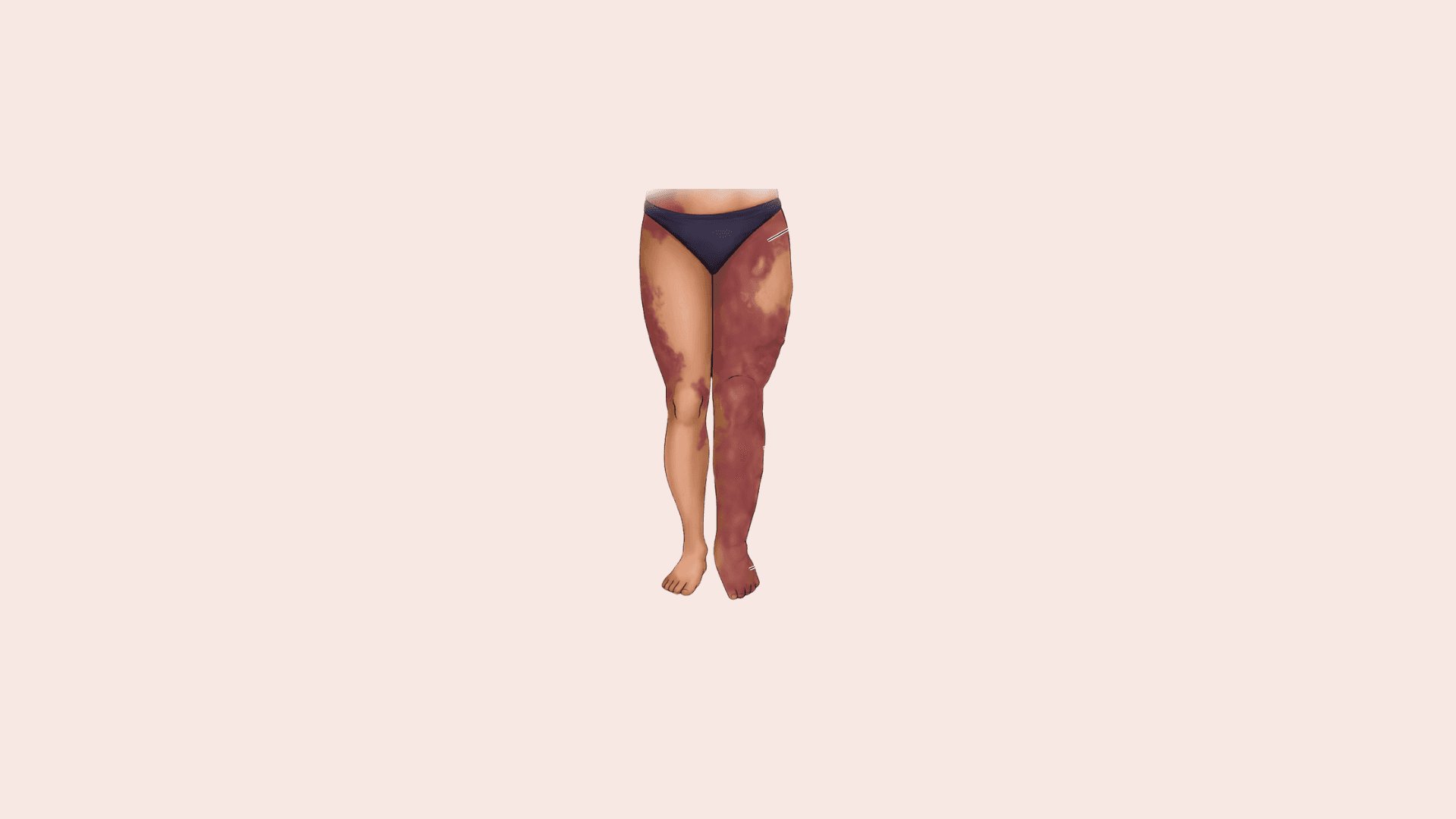
Klippel-Trenaunay Syndrome (KTS) and Port-Wine Stains | Aspilon
Read now
Educational
Klippel-Trenaunay Syndrome (KTS) and Port-Wine Stains | Aspilon
Read now
Educational
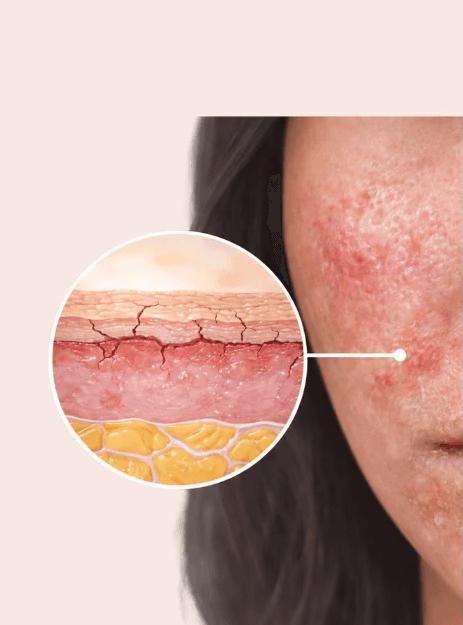
Port-Wine Stain Facial Changes: Skin, Tissue & Dental Complications | Aspilon
Read now
Educational
Port-Wine Stain Facial Changes: Skin, Tissue & Dental Complications | Aspilon
Read now
Educational
Port-Wine Stain and Glaucoma: Eye Pressure, Risk & Screening | Aspilon
Read now
Educational
Port-Wine Stain and Glaucoma: Eye Pressure, Risk & Screening | Aspilon
Read now
Our articles
About Aspilon
Aspilon is made in Belgium, developed in our own lab
Read now
Educational
Klippel-Trenaunay Syndrome (KTS) and Port-Wine Stains | Aspilon
Read now
Educational
Port-Wine Stain Facial Changes: Skin, Tissue & Dental Complications | Aspilon
Read now
Educational
Port-Wine Stain and Glaucoma: Eye Pressure, Risk & Screening | Aspilon
Read now
Let's stay in touch!
Let's stay in touch!
Sign up to our mailing list and get a 20% discount!
Sign up and get a 20% discount!