Order now for an automatic 20% discount! | Worldwide Shipping.
Order now for an automatic 20% discount! | Worldwide Shipping.
Sturge-Weber Syndrome: Symptoms, Diagnosis & What to Expect | Aspilon
Mar 12, 2025
Ecommerce
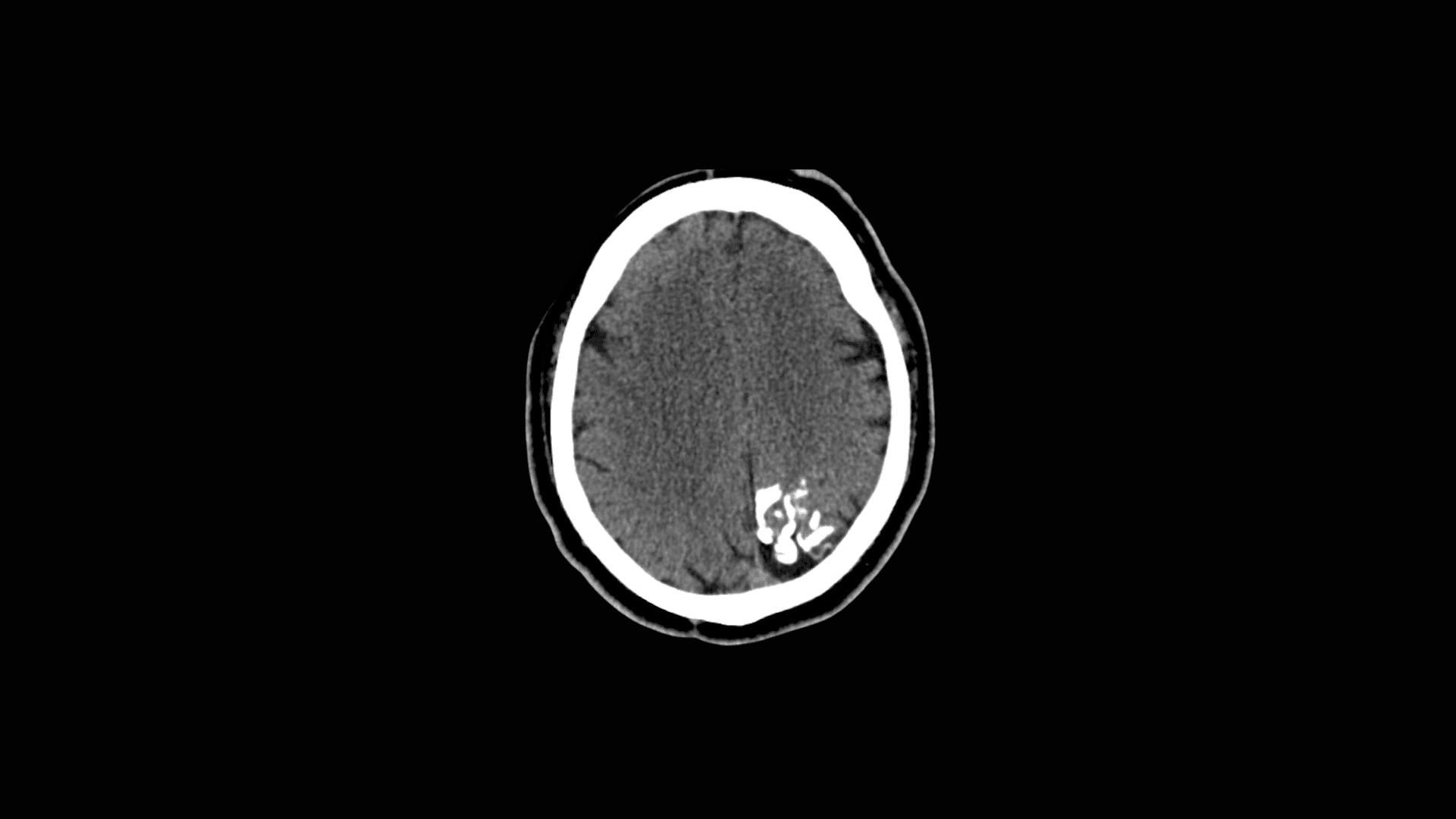
Sturge-Weber Syndrome: symptoms, diagnosis & what to expect
Sturge-Weber syndrome (SWS) is one of the most significant medical conditions associated with a facial port-wine stain. It is a neurocutaneous disorder — meaning it affects both the nervous system and the skin — and it ranges enormously in severity from very mild and barely noticeable to severe and life-affecting.
This article explains what Sturge-Weber syndrome is, how it develops, what its symptoms are, how it is diagnosed, and what living with it involves.
What is Sturge-Weber Syndrome?
Sturge-Weber syndrome is caused by the same somatic GNAQ gene mutation responsible for port-wine stains. When this mutation occurs very early in fetal development, it can affect not only the skin blood vessels but also the blood vessel development of nearby structures derived from the same embryological tissue layer — specifically the eye and the surface of the brain.
The result is a triad of potential abnormalities: a facial port-wine stain, abnormal blood vessels on the brain surface (leptomeningeal angioma), and elevated eye pressure (glaucoma). Not every individual has all three — SWS exists on a spectrum.
SWS is estimated to affect 1 in 20,000 to 50,000 live births. It affects males and females equally and has no racial predilection.
The Three Types of Sturge-Weber Syndrome
Type 1 — Classic SWS
The most common form. Involves facial PWS, leptomeningeal angioma (brain surface abnormal vessels), and possible glaucoma or choroidal eye involvement. Seizures typically begin within the first year of life. Developmental disabilities may develop.
Type 2
Involves facial PWS and possible glaucoma, but without confirmed brain involvement. Symptoms may include headaches and migraines. Cerebrovascular abnormalities can still be present without the classic leptomeningeal angioma pattern.
Type 3
Brain angioma involvement without facial PWS and without glaucoma. This form is only diagnosed through brain imaging, typically when a seizure or other neurological symptom prompts investigation.
What Is a Leptomeningeal Angioma?
The leptomeninges are the two innermost layers of tissue that wrap directly around the brain surface. In Sturge-Weber syndrome, abnormal blood vessels grow on these membranes on the same side of the brain as the facial port-wine stain. These vessels do not circulate blood efficiently, reducing oxygen delivery to the brain tissue underneath.
Chronically oxygen-deprived brain tissue becomes electrically unstable — triggering seizures — and eventually begins to die, leading to calcification and brain tissue loss (atrophy). This is a progressive process that can worsen over years if seizures are not well controlled.
Symptoms of Sturge-Weber Syndrome
A) Seizures
The most common neurological manifestation. Seizures affect approximately 75 percent of SWS patients, with the majority beginning before age 2. They typically affect one side of the body (contralateral to the brain lesion and the facial PWS). Seizure types include focal, tonic, atonic, and myoclonic seizures. During a seizure, the port-wine stain may visibly darken.
B) Stroke-like episodes
Temporary episodes of muscle weakness, vision changes, and confusion that resemble strokes but are caused by vascular instability. These typically begin before age 2 and can recur throughout life. Low-dose aspirin is sometimes used preventively.
C) Hemiparesis
Progressive weakness or paralysis on one side of the body, developing as brain tissue is lost over time. The affected side is opposite to the facial PWS.
D) Cognitive and developmental effects
Intellectual disability, developmental delays, learning disabilities, ADHD, and behavioral problems can occur. Severity correlates strongly with seizure control — individuals whose seizures are well managed tend to have significantly better cognitive outcomes.
E) Headaches and migraines
Recurrent migraines are a recognized feature, particularly in Type 2 SWS. They can begin in childhood or adolescence.
F) Eye complications
Glaucoma, choroidal hemangioma, retinal detachment, and visual field defects. See our dedicated article on port-wine stain and glaucoma for full detail.
G) Oral and dental changes
Gingival hyperplasia, maxillary overgrowth, malocclusion, and lip hypertrophy occur in approximately 40 percent of SWS cases.
How Is Sturge-Weber Syndrome Diagnosed?
SWS is diagnosed by combining clinical findings with imaging and specialist evaluations. The key investigations are:
• MRI brain with gadolinium contrast — the definitive test for leptomeningeal angioma. Shows abnormal enhancement on the brain surface, enlarged choroid plexus, and over time, gyriform calcifications and brain atrophy
• CT scan — best for detecting the characteristic gyriform (railroad track) calcifications
• EEG (electroencephalogram) — measures brain electrical activity; shows asymmetric slowing and epileptic spikes on the affected side in SWS
• Ophthalmological examination — intraocular pressure measurement, optic nerve assessment, fundus examination for choroidal hemangioma
• Neurological examination — assessment of motor function, cognitive development, and seizure history
Management and Treatment
There is no cure for Sturge-Weber syndrome. All treatment is directed at managing specific symptoms and preventing complications.
• Anti-seizure medications — the primary treatment for epilepsy in SWS. Goal is complete seizure control to prevent cognitive decline
• Surgery — for medication-resistant epilepsy, focal resections or hemispherectomy may be considered
• Low-dose aspirin — used in some patients to reduce stroke-like episodes
• Glaucoma treatment — medicated eye drops, laser, or surgery depending on severity
• Laser therapy — pulsed dye laser for the port-wine stain birthmark
• Physical therapy — for hemiparesis and motor development
• Educational support — for developmental delays and learning disabilities
• Psychological support — for mental health, given the significant psychological burden
Important A normal brain MRI at age one or older in a child with a PWS and no neurological symptoms makes significant brain involvement unlikely going forward. However, ophthalmological monitoring for glaucoma should continue regardless of brain imaging findings. |
Sturge-Weber Syndrome: symptoms, diagnosis & what to expect
Sturge-Weber syndrome (SWS) is one of the most significant medical conditions associated with a facial port-wine stain. It is a neurocutaneous disorder — meaning it affects both the nervous system and the skin — and it ranges enormously in severity from very mild and barely noticeable to severe and life-affecting.
This article explains what Sturge-Weber syndrome is, how it develops, what its symptoms are, how it is diagnosed, and what living with it involves.
What is Sturge-Weber Syndrome?
Sturge-Weber syndrome is caused by the same somatic GNAQ gene mutation responsible for port-wine stains. When this mutation occurs very early in fetal development, it can affect not only the skin blood vessels but also the blood vessel development of nearby structures derived from the same embryological tissue layer — specifically the eye and the surface of the brain.
The result is a triad of potential abnormalities: a facial port-wine stain, abnormal blood vessels on the brain surface (leptomeningeal angioma), and elevated eye pressure (glaucoma). Not every individual has all three — SWS exists on a spectrum.
SWS is estimated to affect 1 in 20,000 to 50,000 live births. It affects males and females equally and has no racial predilection.
The Three Types of Sturge-Weber Syndrome
Type 1 — Classic SWS
The most common form. Involves facial PWS, leptomeningeal angioma (brain surface abnormal vessels), and possible glaucoma or choroidal eye involvement. Seizures typically begin within the first year of life. Developmental disabilities may develop.
Type 2
Involves facial PWS and possible glaucoma, but without confirmed brain involvement. Symptoms may include headaches and migraines. Cerebrovascular abnormalities can still be present without the classic leptomeningeal angioma pattern.
Type 3
Brain angioma involvement without facial PWS and without glaucoma. This form is only diagnosed through brain imaging, typically when a seizure or other neurological symptom prompts investigation.
What Is a Leptomeningeal Angioma?
The leptomeninges are the two innermost layers of tissue that wrap directly around the brain surface. In Sturge-Weber syndrome, abnormal blood vessels grow on these membranes on the same side of the brain as the facial port-wine stain. These vessels do not circulate blood efficiently, reducing oxygen delivery to the brain tissue underneath.
Chronically oxygen-deprived brain tissue becomes electrically unstable — triggering seizures — and eventually begins to die, leading to calcification and brain tissue loss (atrophy). This is a progressive process that can worsen over years if seizures are not well controlled.
Symptoms of Sturge-Weber Syndrome
A) Seizures
The most common neurological manifestation. Seizures affect approximately 75 percent of SWS patients, with the majority beginning before age 2. They typically affect one side of the body (contralateral to the brain lesion and the facial PWS). Seizure types include focal, tonic, atonic, and myoclonic seizures. During a seizure, the port-wine stain may visibly darken.
B) Stroke-like episodes
Temporary episodes of muscle weakness, vision changes, and confusion that resemble strokes but are caused by vascular instability. These typically begin before age 2 and can recur throughout life. Low-dose aspirin is sometimes used preventively.
C) Hemiparesis
Progressive weakness or paralysis on one side of the body, developing as brain tissue is lost over time. The affected side is opposite to the facial PWS.
D) Cognitive and developmental effects
Intellectual disability, developmental delays, learning disabilities, ADHD, and behavioral problems can occur. Severity correlates strongly with seizure control — individuals whose seizures are well managed tend to have significantly better cognitive outcomes.
E) Headaches and migraines
Recurrent migraines are a recognized feature, particularly in Type 2 SWS. They can begin in childhood or adolescence.
F) Eye complications
Glaucoma, choroidal hemangioma, retinal detachment, and visual field defects. See our dedicated article on port-wine stain and glaucoma for full detail.
G) Oral and dental changes
Gingival hyperplasia, maxillary overgrowth, malocclusion, and lip hypertrophy occur in approximately 40 percent of SWS cases.
How Is Sturge-Weber Syndrome Diagnosed?
SWS is diagnosed by combining clinical findings with imaging and specialist evaluations. The key investigations are:
• MRI brain with gadolinium contrast — the definitive test for leptomeningeal angioma. Shows abnormal enhancement on the brain surface, enlarged choroid plexus, and over time, gyriform calcifications and brain atrophy
• CT scan — best for detecting the characteristic gyriform (railroad track) calcifications
• EEG (electroencephalogram) — measures brain electrical activity; shows asymmetric slowing and epileptic spikes on the affected side in SWS
• Ophthalmological examination — intraocular pressure measurement, optic nerve assessment, fundus examination for choroidal hemangioma
• Neurological examination — assessment of motor function, cognitive development, and seizure history
Management and Treatment
There is no cure for Sturge-Weber syndrome. All treatment is directed at managing specific symptoms and preventing complications.
• Anti-seizure medications — the primary treatment for epilepsy in SWS. Goal is complete seizure control to prevent cognitive decline
• Surgery — for medication-resistant epilepsy, focal resections or hemispherectomy may be considered
• Low-dose aspirin — used in some patients to reduce stroke-like episodes
• Glaucoma treatment — medicated eye drops, laser, or surgery depending on severity
• Laser therapy — pulsed dye laser for the port-wine stain birthmark
• Physical therapy — for hemiparesis and motor development
• Educational support — for developmental delays and learning disabilities
• Psychological support — for mental health, given the significant psychological burden
Important A normal brain MRI at age one or older in a child with a PWS and no neurological symptoms makes significant brain involvement unlikely going forward. However, ophthalmological monitoring for glaucoma should continue regardless of brain imaging findings. |
Our articles
About Aspilon
Aspilon is made in Belgium, developed in our own lab
Read now
About Aspilon
Aspilon is made in Belgium, developed in our own lab
Read now
Educational
Klippel-Trenaunay Syndrome (KTS) and Port-Wine Stains | Aspilon
Read now
Educational
Klippel-Trenaunay Syndrome (KTS) and Port-Wine Stains | Aspilon
Read now
Educational
Port-Wine Stain Facial Changes: Skin, Tissue & Dental Complications | Aspilon
Read now
Educational
Port-Wine Stain Facial Changes: Skin, Tissue & Dental Complications | Aspilon
Read now
Educational
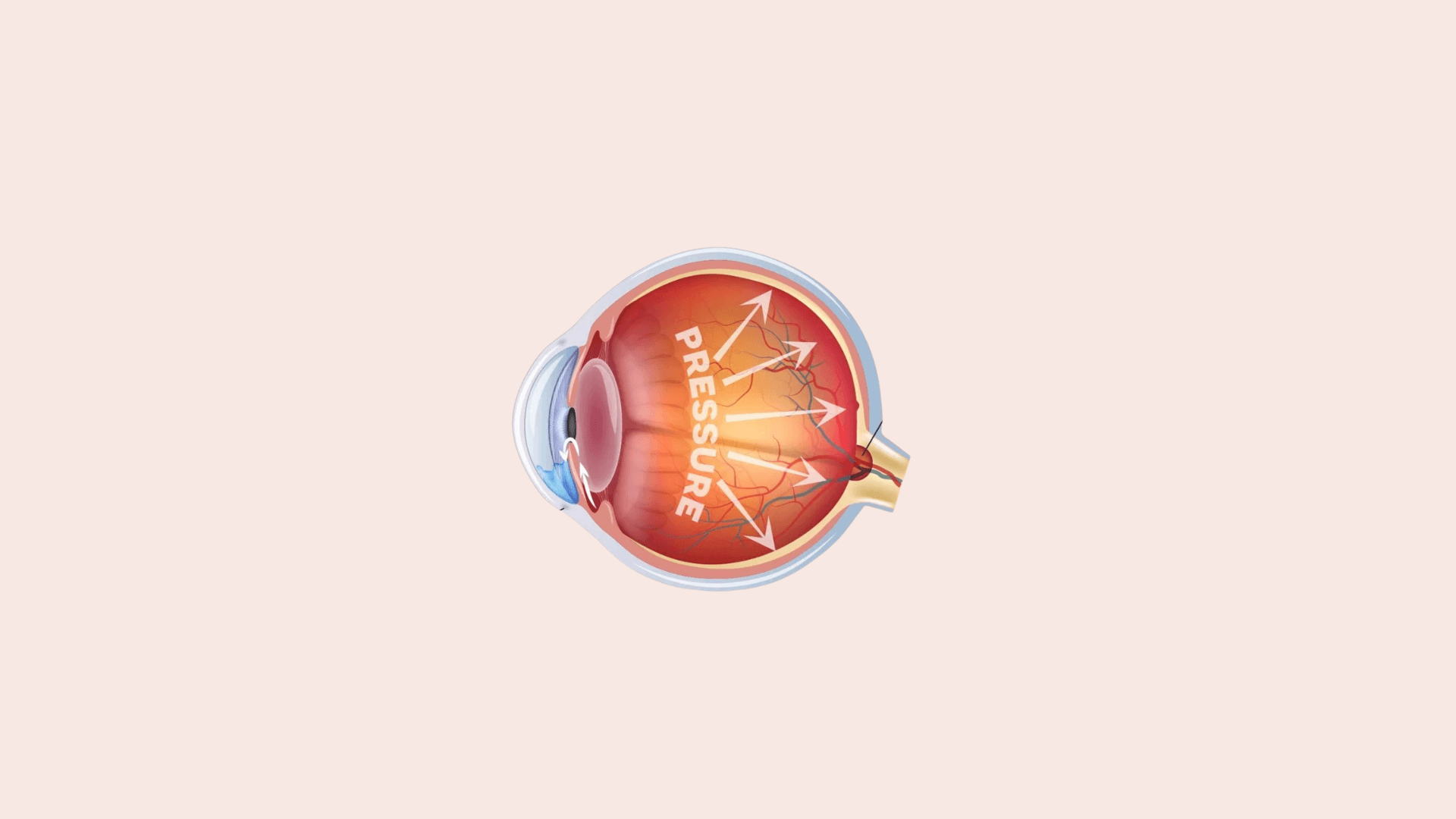
Port-Wine Stain and Glaucoma: Eye Pressure, Risk & Screening | Aspilon
Read now
Educational
Port-Wine Stain and Glaucoma: Eye Pressure, Risk & Screening | Aspilon
Read now
Our articles
About Aspilon
Aspilon is made in Belgium, developed in our own lab
Read now
Educational
Klippel-Trenaunay Syndrome (KTS) and Port-Wine Stains | Aspilon
Read now
Educational
Port-Wine Stain Facial Changes: Skin, Tissue & Dental Complications | Aspilon
Read now
Educational
Port-Wine Stain and Glaucoma: Eye Pressure, Risk & Screening | Aspilon
Read now
Let's stay in touch!
Let's stay in touch!
Sign up to our mailing list and get a 20% discount!
Sign up and get a 20% discount!