Order now and receive 20% discount! | Worldwide Shipping.
Order now for an automatic 20% discount! | Worldwide Shipping.
Dr. Mariano Barbacid’s breakthrough in pancreatic cancer deserves more attention than his birthmark
Mar 12, 2025
Ecommerce
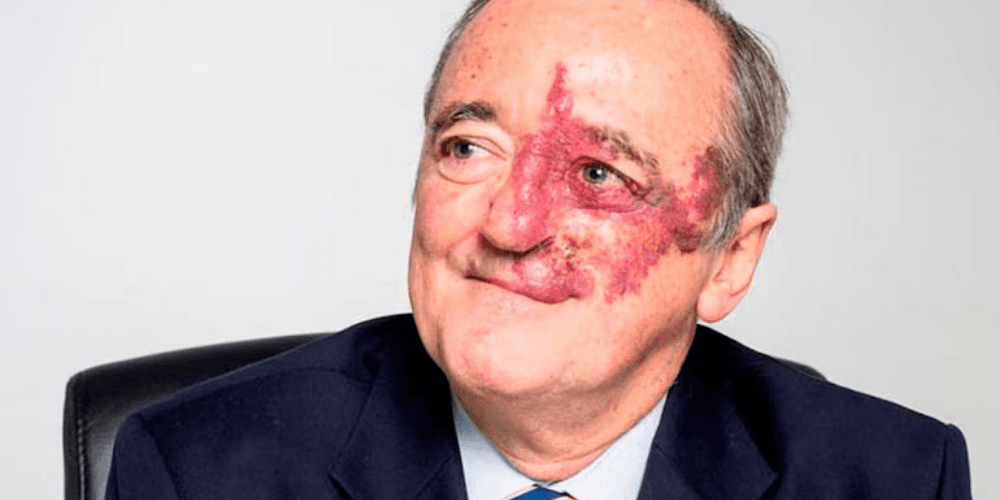
Dr. Mariano Barbacid’s breakthrough in pancreatic cancer deserves more attention than his birthmark
A major breakthrough in pancreatic cancer research should have sparked one kind of global reaction: hope.
Hope for patients.
Hope for families.
Hope for the future of cancer treatment.
Instead, a large part of the online conversation shifted somewhere else entirely — to the face of the scientist behind the discovery.
Not his research.
Not the lives it could impact.
Not the years of dedication behind it.
His birthmark.
And that says more about our society than it does about science.
A truly groundbreaking step in pancreatic cancer research
Spanish cancer researcher Mariano Barbacid, working with a team at the Spanish National Cancer Research Centre (CNIO), recently led research that could mark a revolutionary turning point in the fight against pancreatic cancer.
Pancreatic cancer is one of the deadliest cancers in the world. It is often detected late, progresses aggressively, and has historically had very limited treatment success. For decades, scientists have struggled to find therapies that make a real difference.
That’s why this research matters so much.
In preclinical studies, the team developed an experimental strategy that managed to completely eliminate pancreatic tumors in animal models, with limited toxicity and no relapse during the observation period. While further research and human trials are still needed, many experts see this as one of the most promising advances in pancreatic cancer research in years.
Searches for “Mariano Barbacid pancreatic cancer breakthrough” and “Spanish scientist pancreatic cancer discovery” quickly surged as people looked for details about this potentially life-changing scientific progress.
But what dominated many comment sections wasn’t the science.
When a birthmark overshadows a breakthrough
Instead of celebrating a scientist who may have helped move us closer to more effective pancreatic cancer treatments, a shocking amount of online attention focused on Dr. Barbacid’s visible facial birthmark.
People commented on his appearance.
Some made jokes.
Others stared digitally instead of listening scientifically.
In many spaces, the conversation about a potential medical breakthrough was drowned out by remarks about his skin.
A man who dedicated his life to understanding cancer was, in those moments, reduced to a physical feature he did not choose — while his scientific achievement, which could one day save lives, took a back seat.
This happens every day — just less visibly
This story feels extreme because it involves a major scientific breakthrough and international headlines. But for millions of people with visible skin differences, this dynamic is painfully familiar.
They walk into a room and feel eyes on their skin before their words are heard.
They post a photo and receive questions about their appearance before recognition of their talent.
They share an achievement and still get comments about how they look.
Their skin becomes the headline.
Their achievement becomes the footnote.
Why this story matters so much to Aspilon
At Aspilon Cosmetics, this is exactly why we exist.
We believe people deserve the freedom to decide how they are seen — and to never be defined or judged by their skin.
Because skin can be visible.
Skin can be different.
Skin can tell a story.
But skin should never silence a person’s achievements.
When a scientist working on one of the most important medical challenges of our time becomes the subject of appearance-based comments instead of applause for his work, it shows how deeply rooted this problem still is.
And it shows why choice matters.
Choice to cover or not.
Choice to express yourself on your terms.
Choice to feel confident walking into the world knowing you will be recognized for who you are and what you do — not reduced to a visible difference.
That’s the power behind Aspilon. Not hiding people. Empowering them.
Let’s start noticing the right things
A breakthrough in pancreatic cancer research deserves attention.
A scientist’s dedication deserves respect.
Human achievement deserves the spotlight.
What if, instead of asking “what’s on his face?”, we asked:
“How did he do it?”
“What could this mean for patients?”
“How can we support more research like this?”
That shift in focus changes everything.
Because when we choose to see people for their impact rather than their appearance, we create a world where talent, intelligence, and compassion lead the conversation — not skin.
Dr. Mariano Barbacid’s breakthrough in pancreatic cancer deserves more attention than his birthmark
A major breakthrough in pancreatic cancer research should have sparked one kind of global reaction: hope.
Hope for patients.
Hope for families.
Hope for the future of cancer treatment.
Instead, a large part of the online conversation shifted somewhere else entirely — to the face of the scientist behind the discovery.
Not his research.
Not the lives it could impact.
Not the years of dedication behind it.
His birthmark.
And that says more about our society than it does about science.
A truly groundbreaking step in pancreatic cancer research
Spanish cancer researcher Mariano Barbacid, working with a team at the Spanish National Cancer Research Centre (CNIO), recently led research that could mark a revolutionary turning point in the fight against pancreatic cancer.
Pancreatic cancer is one of the deadliest cancers in the world. It is often detected late, progresses aggressively, and has historically had very limited treatment success. For decades, scientists have struggled to find therapies that make a real difference.
That’s why this research matters so much.
In preclinical studies, the team developed an experimental strategy that managed to completely eliminate pancreatic tumors in animal models, with limited toxicity and no relapse during the observation period. While further research and human trials are still needed, many experts see this as one of the most promising advances in pancreatic cancer research in years.
Searches for “Mariano Barbacid pancreatic cancer breakthrough” and “Spanish scientist pancreatic cancer discovery” quickly surged as people looked for details about this potentially life-changing scientific progress.
But what dominated many comment sections wasn’t the science.
When a birthmark overshadows a breakthrough
Instead of celebrating a scientist who may have helped move us closer to more effective pancreatic cancer treatments, a shocking amount of online attention focused on Dr. Barbacid’s visible facial birthmark.
People commented on his appearance.
Some made jokes.
Others stared digitally instead of listening scientifically.
In many spaces, the conversation about a potential medical breakthrough was drowned out by remarks about his skin.
A man who dedicated his life to understanding cancer was, in those moments, reduced to a physical feature he did not choose — while his scientific achievement, which could one day save lives, took a back seat.
This happens every day — just less visibly
This story feels extreme because it involves a major scientific breakthrough and international headlines. But for millions of people with visible skin differences, this dynamic is painfully familiar.
They walk into a room and feel eyes on their skin before their words are heard.
They post a photo and receive questions about their appearance before recognition of their talent.
They share an achievement and still get comments about how they look.
Their skin becomes the headline.
Their achievement becomes the footnote.
Why this story matters so much to Aspilon
At Aspilon Cosmetics, this is exactly why we exist.
We believe people deserve the freedom to decide how they are seen — and to never be defined or judged by their skin.
Because skin can be visible.
Skin can be different.
Skin can tell a story.
But skin should never silence a person’s achievements.
When a scientist working on one of the most important medical challenges of our time becomes the subject of appearance-based comments instead of applause for his work, it shows how deeply rooted this problem still is.
And it shows why choice matters.
Choice to cover or not.
Choice to express yourself on your terms.
Choice to feel confident walking into the world knowing you will be recognized for who you are and what you do — not reduced to a visible difference.
That’s the power behind Aspilon. Not hiding people. Empowering them.
Let’s start noticing the right things
A breakthrough in pancreatic cancer research deserves attention.
A scientist’s dedication deserves respect.
Human achievement deserves the spotlight.
What if, instead of asking “what’s on his face?”, we asked:
“How did he do it?”
“What could this mean for patients?”
“How can we support more research like this?”
That shift in focus changes everything.
Because when we choose to see people for their impact rather than their appearance, we create a world where talent, intelligence, and compassion lead the conversation — not skin.
Our articles
About Aspilon
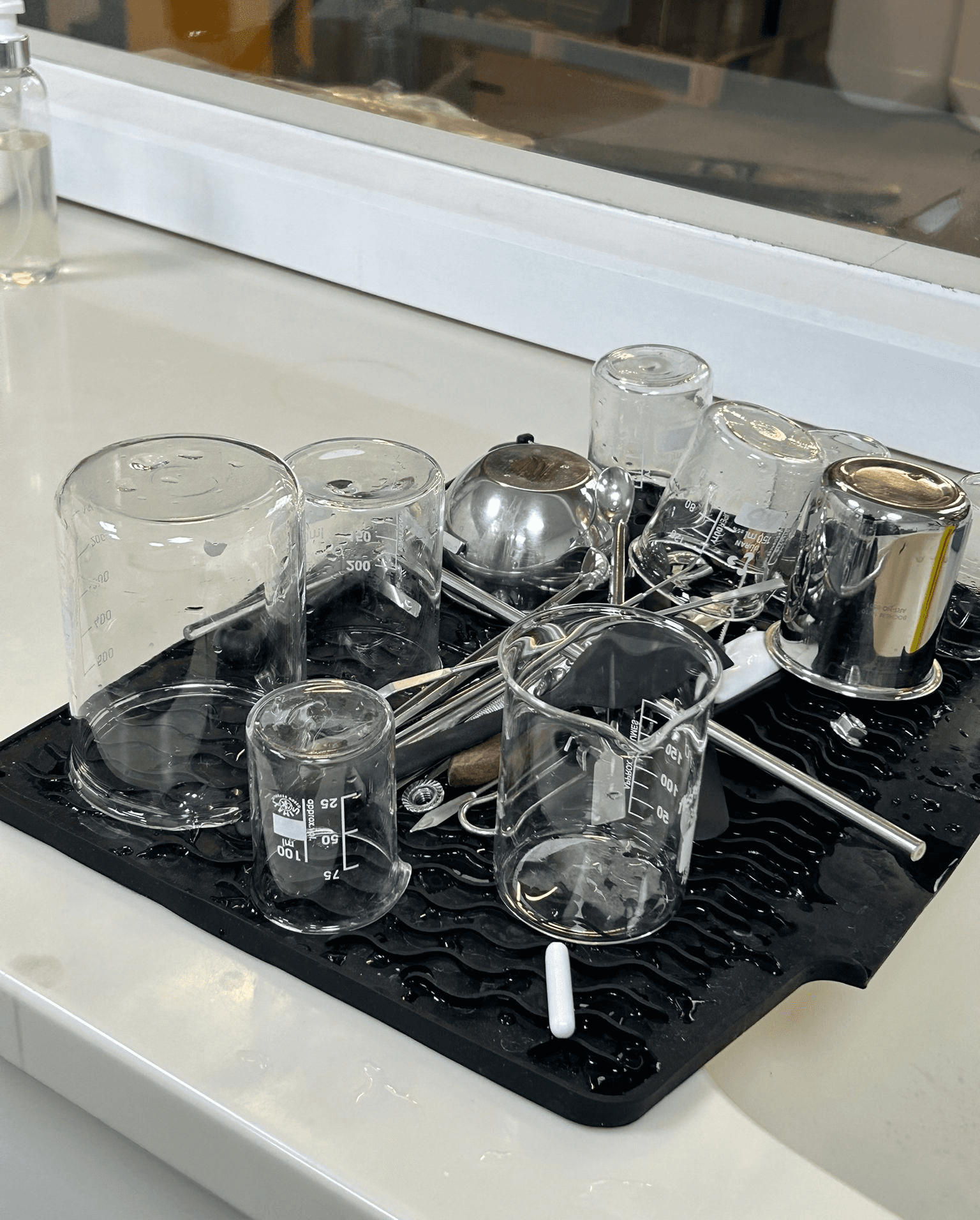
Aspilon is made in Belgium, developed in our own lab
Read now
About Aspilon
Aspilon is made in Belgium, developed in our own lab
Read now

Educational
Klippel-Trenaunay Syndrome (KTS) and Port-Wine Stains | Aspilon
Read now
Educational
Klippel-Trenaunay Syndrome (KTS) and Port-Wine Stains | Aspilon
Read now
Educational
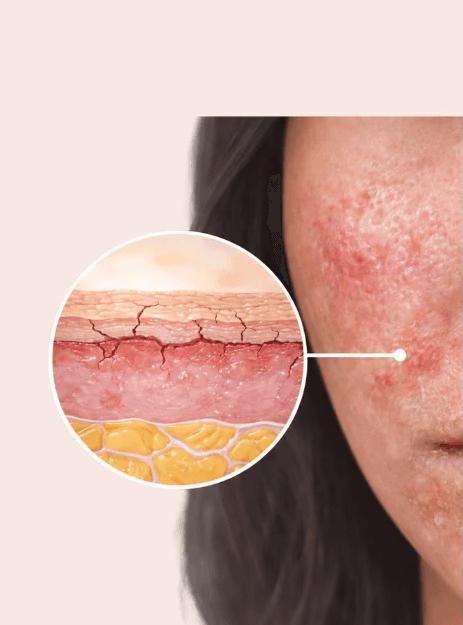
Port-Wine Stain Facial Changes: Skin, Tissue & Dental Complications | Aspilon
Read now
Educational
Port-Wine Stain Facial Changes: Skin, Tissue & Dental Complications | Aspilon
Read now
Educational
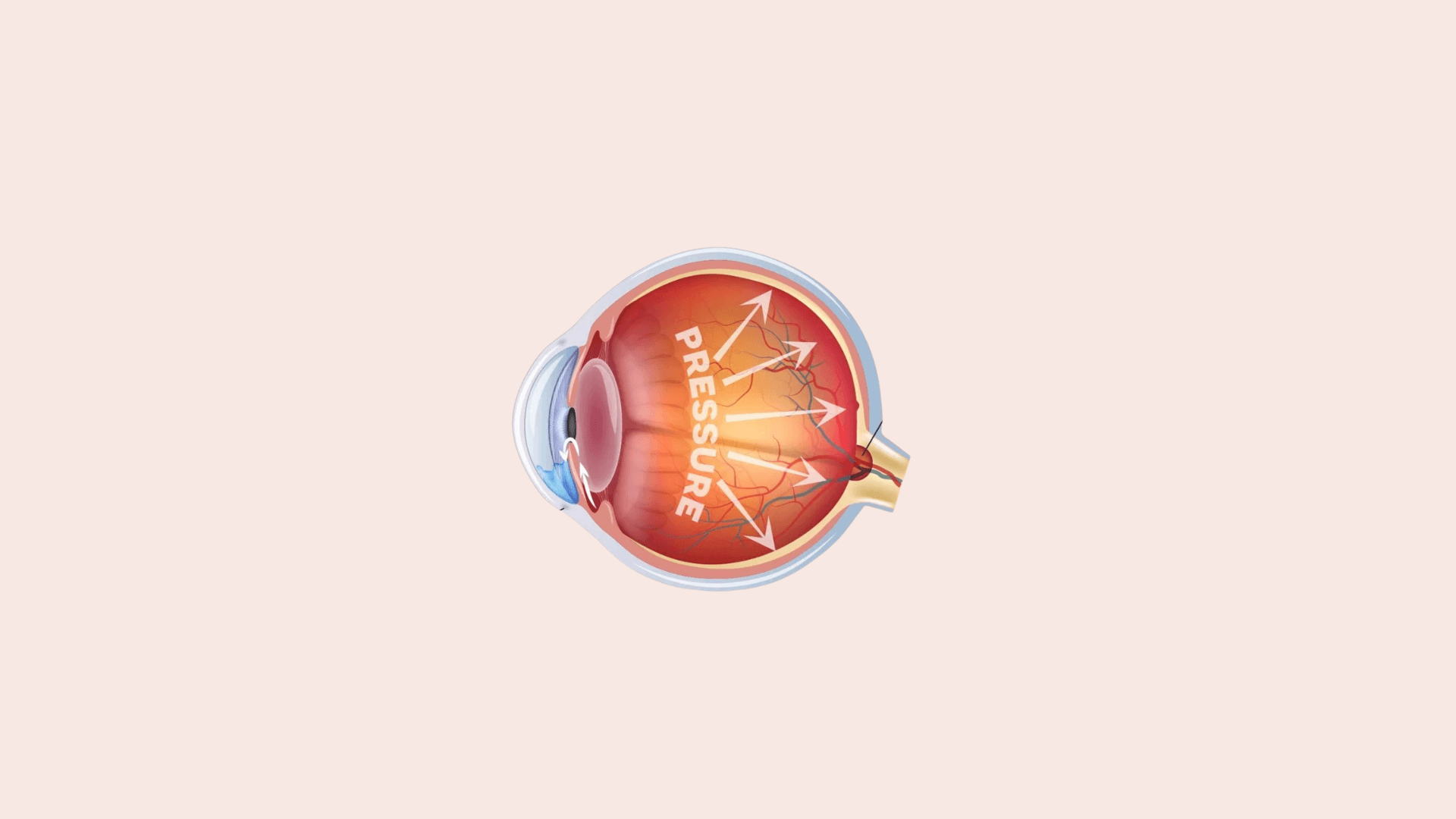
Port-Wine Stain and Glaucoma: Eye Pressure, Risk & Screening | Aspilon
Read now
Educational
Port-Wine Stain and Glaucoma: Eye Pressure, Risk & Screening | Aspilon
Read now
Our articles
About Aspilon
Aspilon is made in Belgium, developed in our own lab
Read now
Educational
Klippel-Trenaunay Syndrome (KTS) and Port-Wine Stains | Aspilon
Read now
Educational
Port-Wine Stain Facial Changes: Skin, Tissue & Dental Complications | Aspilon
Read now
Educational
Port-Wine Stain and Glaucoma: Eye Pressure, Risk & Screening | Aspilon
Read now
Let's stay in touch!
Let's stay in touch!
Sign up to our mailing list and get a 20% discount!
Sign up and get a 20% discount!