Order now and receive 20% discount! | Worldwide Shipping.
Order now for an automatic 20% discount! | Worldwide Shipping.
How to find the right foundation shade
Mar 12, 2025
Ecommerce
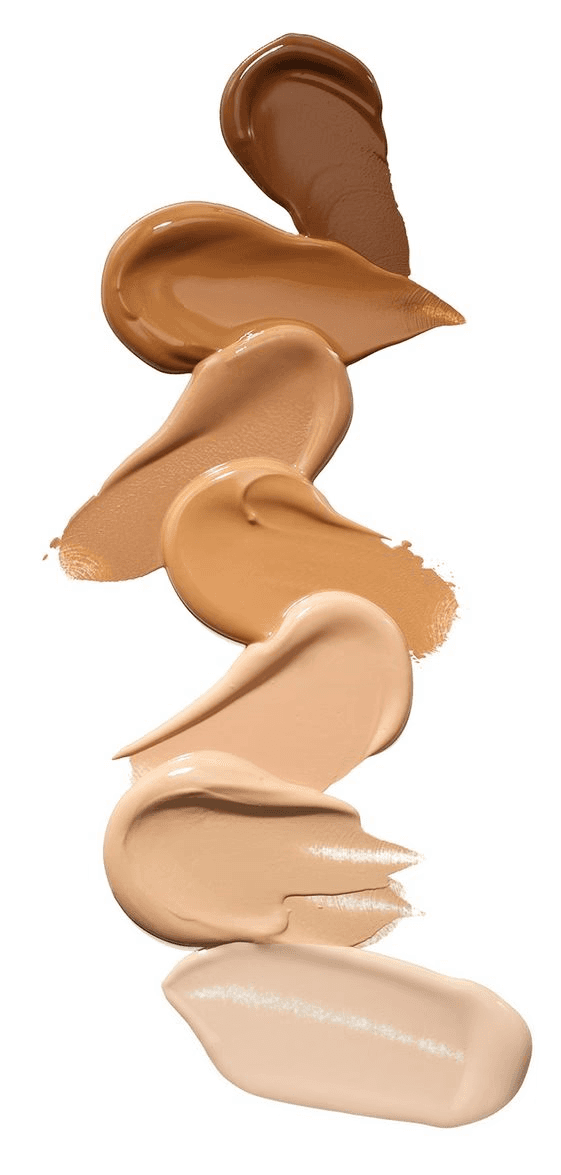
How to find the right foundation shade
Finding the right foundation shade is not only about matching your skin color. When you have visible skin differences such as redness rosacea acne scarring or a port wine stain the right shade depends on both color intensity and skin undertone.
Understanding how these elements work together helps you achieve coverage that looks natural balanced and comfortable instead of heavy or mismatched.
Why skin differences affect shade selection
Skin differences are not one dimensional. Redness can appear light dark pink deep red or even purple depending on circulation temperature and skin sensitivity. Some days it may be subtle and other days more pronounced.
On top of that every person has an underlying skin undertone. This can be neutral warm cool or olive. The interaction between undertone and redness intensity plays a major role in how foundation appears on the skin.
This is why choosing a shade purely based on surface color often leads to results that feel off even if they look correct at first glance.
Understanding intensity light red dark red or purple
The intensity of a skin difference directly influences how much correction is needed.
Light redness often blends easily and requires minimal neutralization. Darker red tones need more balancing to avoid the redness showing through. Purple or bluish tones especially in colder conditions require a different shade balance to prevent the skin from looking grey or dull.
Choosing a shade that is too light can exaggerate redness. Choosing one that is too dark can make the complexion look heavy or unnatural. The goal is balance not coverage alone.
Undertones matter more than you think
Your undertone stays relatively consistent even when redness changes. This is why undertone is just as important as intensity.
A warm undertone paired with redness requires a different shade approach than a cool undertone with the same level of redness. Ignoring undertone often results in foundation that looks ashy orange or flat.
Matching undertone correctly allows the foundation to blend seamlessly into the skin rather than sitting on top of it.
How the aspilon shade matching tool helps
Finding the right balance between intensity and undertone can be difficult without guidance. This is why the Aspilon shade matching tool was created.
The tool analyzes both your natural skin tone and the visible intensity of your skin difference. It then recommends the most suitable shade to neutralize redness while respecting your undertone.
Instead of guessing or over correcting the tool helps you find a shade that adapts to your skin rather than fighting it.
Why your shade can change with the seasons
Skin is not static. As the seasons change so does the appearance of skin differences.
In spring and summer increased sun exposure and warmth often make redness appear softer and less visible. The surrounding skin becomes more bronzed which can shift the ideal foundation shade slightly.
In autumn and winter colder temperatures cause blood vessels to react differently. Redness may deepen or appear more purple and the skin overall may become lighter or duller.
Because of these natural changes the shade that worked perfectly a few months ago may no longer be the best match.
Retake the shade matcher anytime
There is no single forever shade. Retaking the Aspilon shade matching tool at any point helps you check whether your current shade still suits your skin.
This is especially recommended at the start of a new season or when you notice changes in redness intensity or undertone appearance.
At Aspilon we believe shade matching should adapt to you not the other way around.
Finding confidence in the right match
Choosing the right shade is not about hiding your skin. It is about balance comfort and confidence.
When intensity and undertone are aligned coverage looks natural feels lighter and allows your skin to move and breathe.
And knowing you can reassess your shade whenever your skin changes gives you control rather than pressure.
Because the right shade is not about perfection
It is about choice and adaptability
How to find the right foundation shade
Finding the right foundation shade is not only about matching your skin color. When you have visible skin differences such as redness rosacea acne scarring or a port wine stain the right shade depends on both color intensity and skin undertone.
Understanding how these elements work together helps you achieve coverage that looks natural balanced and comfortable instead of heavy or mismatched.
Why skin differences affect shade selection
Skin differences are not one dimensional. Redness can appear light dark pink deep red or even purple depending on circulation temperature and skin sensitivity. Some days it may be subtle and other days more pronounced.
On top of that every person has an underlying skin undertone. This can be neutral warm cool or olive. The interaction between undertone and redness intensity plays a major role in how foundation appears on the skin.
This is why choosing a shade purely based on surface color often leads to results that feel off even if they look correct at first glance.
Understanding intensity light red dark red or purple
The intensity of a skin difference directly influences how much correction is needed.
Light redness often blends easily and requires minimal neutralization. Darker red tones need more balancing to avoid the redness showing through. Purple or bluish tones especially in colder conditions require a different shade balance to prevent the skin from looking grey or dull.
Choosing a shade that is too light can exaggerate redness. Choosing one that is too dark can make the complexion look heavy or unnatural. The goal is balance not coverage alone.
Undertones matter more than you think
Your undertone stays relatively consistent even when redness changes. This is why undertone is just as important as intensity.
A warm undertone paired with redness requires a different shade approach than a cool undertone with the same level of redness. Ignoring undertone often results in foundation that looks ashy orange or flat.
Matching undertone correctly allows the foundation to blend seamlessly into the skin rather than sitting on top of it.
How the aspilon shade matching tool helps
Finding the right balance between intensity and undertone can be difficult without guidance. This is why the Aspilon shade matching tool was created.
The tool analyzes both your natural skin tone and the visible intensity of your skin difference. It then recommends the most suitable shade to neutralize redness while respecting your undertone.
Instead of guessing or over correcting the tool helps you find a shade that adapts to your skin rather than fighting it.
Why your shade can change with the seasons
Skin is not static. As the seasons change so does the appearance of skin differences.
In spring and summer increased sun exposure and warmth often make redness appear softer and less visible. The surrounding skin becomes more bronzed which can shift the ideal foundation shade slightly.
In autumn and winter colder temperatures cause blood vessels to react differently. Redness may deepen or appear more purple and the skin overall may become lighter or duller.
Because of these natural changes the shade that worked perfectly a few months ago may no longer be the best match.
Retake the shade matcher anytime
There is no single forever shade. Retaking the Aspilon shade matching tool at any point helps you check whether your current shade still suits your skin.
This is especially recommended at the start of a new season or when you notice changes in redness intensity or undertone appearance.
At Aspilon we believe shade matching should adapt to you not the other way around.
Finding confidence in the right match
Choosing the right shade is not about hiding your skin. It is about balance comfort and confidence.
When intensity and undertone are aligned coverage looks natural feels lighter and allows your skin to move and breathe.
And knowing you can reassess your shade whenever your skin changes gives you control rather than pressure.
Because the right shade is not about perfection
It is about choice and adaptability
Our articles
About Aspilon
Aspilon is made in Belgium, developed in our own lab
Read now
About Aspilon
Aspilon is made in Belgium, developed in our own lab
Read now
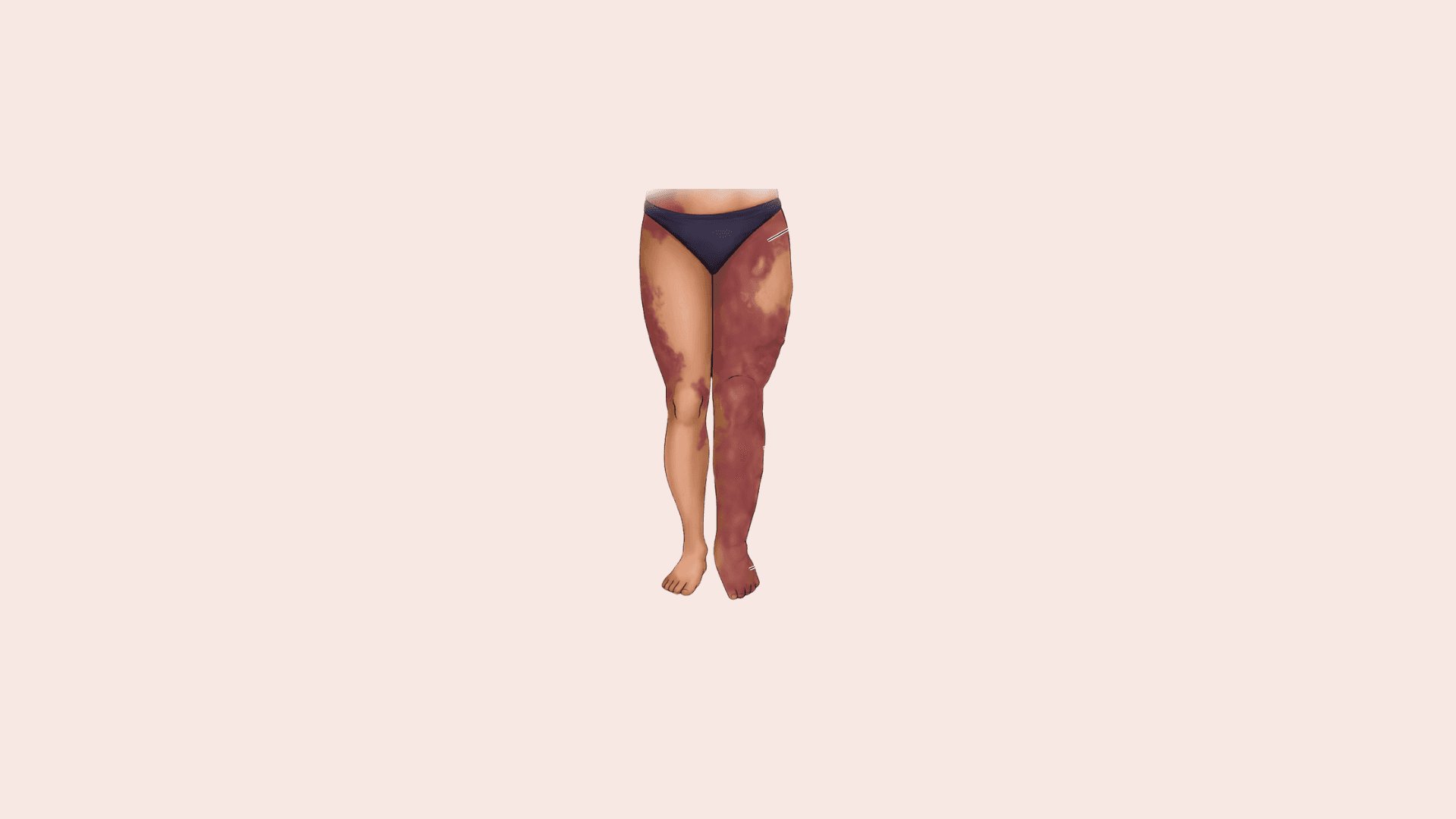
Educational
Klippel-Trenaunay Syndrome (KTS) and Port-Wine Stains | Aspilon
Read now
Educational
Klippel-Trenaunay Syndrome (KTS) and Port-Wine Stains | Aspilon
Read now
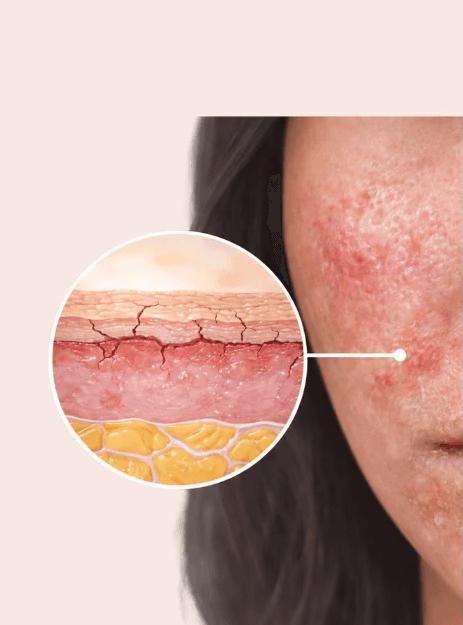
Educational
Port-Wine Stain Facial Changes: Skin, Tissue & Dental Complications | Aspilon
Read now
Educational
Port-Wine Stain Facial Changes: Skin, Tissue & Dental Complications | Aspilon
Read now
Educational
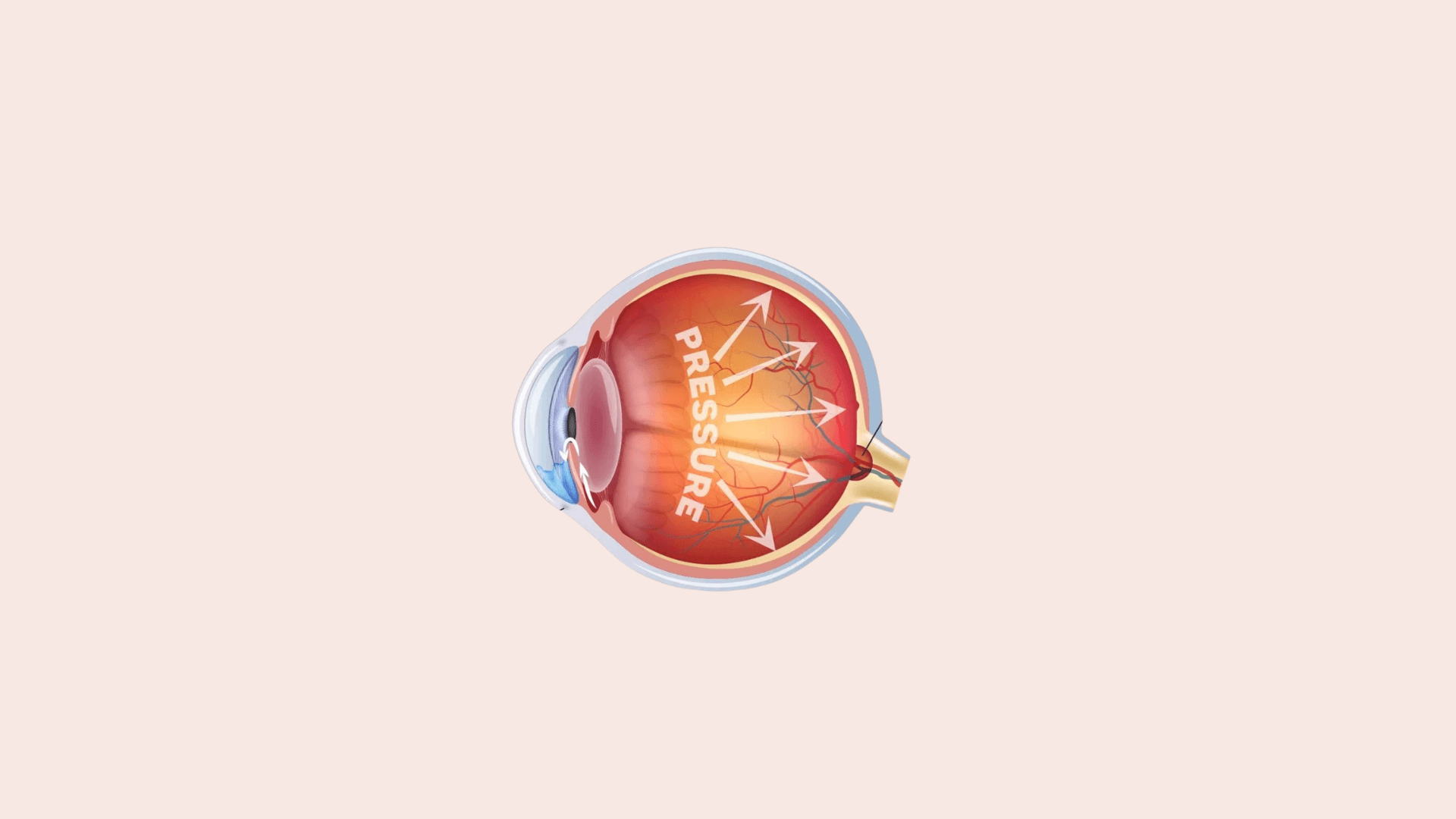
Port-Wine Stain and Glaucoma: Eye Pressure, Risk & Screening | Aspilon
Read now
Educational
Port-Wine Stain and Glaucoma: Eye Pressure, Risk & Screening | Aspilon
Read now
Our articles
About Aspilon
Aspilon is made in Belgium, developed in our own lab
Read now
Educational
Klippel-Trenaunay Syndrome (KTS) and Port-Wine Stains | Aspilon
Read now
Educational
Port-Wine Stain Facial Changes: Skin, Tissue & Dental Complications | Aspilon
Read now
Educational
Port-Wine Stain and Glaucoma: Eye Pressure, Risk & Screening | Aspilon
Read now
Let's stay in touch!
Let's stay in touch!
Sign up to our mailing list and get a 20% discount!
Sign up and get a 20% discount!